
Fall Furnace Tune-Up Checklist for Pottstown Homeowners
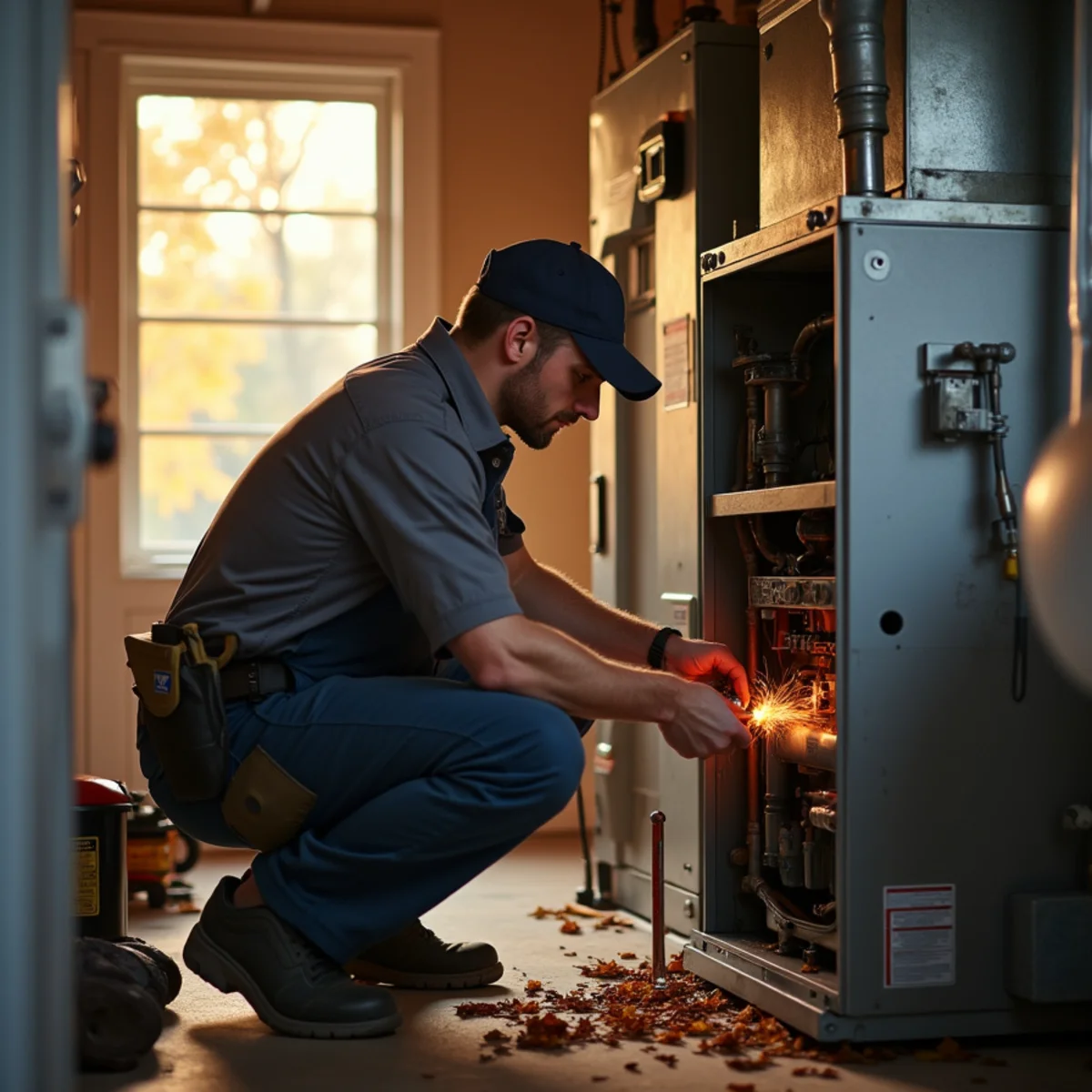
By late September in Pottstown the mornings start dipping into the 40s, and the furnace that sat idle all summer is about to run for six straight months. A fall tune-up is the cheapest insurance you can buy against a January no-heat call, because most breakdowns trace back to small problems that were visible weeks earlier.
This checklist walks through what a thorough furnace tune-up actually includes, what you can safely do on your own, and the readings a technician takes that you cannot. If your system is more than a decade old or you skipped last year, book service before the first hard freeze rather than after it.
Why Fall Is the Right Time in Pottstown
Our heating season is long. January lows near 22°F mean the furnace carries the house for months, and freeze-thaw swings put stress on ignition, venting, and the heat exchanger. A furnace that limps through fall on a marginal igniter or a dirty flame sensor almost always fails on the coldest night, when demand peaks and every HVAC company in the tri-county area is booked solid.
Scheduling in September or October also means you are not competing for a slot during the first cold snap. A measured diagnosis now catches the failing part while it is still a planned repair instead of an emergency.
What You Can Safely Do Yourself
A handful of steps need no tools and no open panels. Do these before the heating season starts:
- Replace the air filter and note the size so you can keep spares on hand all winter.
- Set the thermostat to Heat and confirm warm air actually reaches the registers within a few minutes.
- Check that the furnace switch is on and the breaker has not tripped.
- Clear boxes, laundry, and storage away from the furnace so combustion air is not blocked.
- Walk outside and make sure the intake and exhaust vents on high-efficiency units are clear of leaves, nests, and debris.
- Test every smoke and carbon monoxide detector and replace batteries now, not in December.
What a Technician Checks That You Cannot
The readings that separate a real tune-up from a quick look require meters and training. During a professional visit a technician inspects and measures the parts most likely to fail:
- Heat exchanger inspection for cracks or corrosion, which is a carbon monoxide safety concern.
- Igniter and flame sensor cleaning or replacement, the two most common no-heat culprits.
- Gas pressure and burner flame quality, adjusted to the manufacturer spec.
- Blower motor amp draw and wheel cleanliness, since a strained motor shortens system life.
- Control board and safety switch function, including the limit and pressure switches.
- Condensate drain and trap on high-efficiency furnaces, cleared before a freeze can block it.
Warning Signs You Should Not Skip the Tune-Up
Some symptoms mean the furnace is already telling you something. If you noticed any of these last winter or during the first test run, put a service call at the top of your list rather than waiting.
- Short-cycling, where the furnace fires and shuts off every few minutes.
- A burning or acrid smell that lingers well past the first startup of the season.
- Yellow or flickering burner flames instead of a steady blue.
- Rooms that never reach the thermostat setting even when the system runs constantly.
- Rattles, booms on ignition, or a high-pitched whine from the blower.
What a Real Tune-Up Includes That a DIY Look Never Will
There is a real gap between running the heat for a few minutes and a measured combustion inspection. A homeowner can confirm the furnace turns on. A technician confirms it is running safely and efficiently, and those are different questions answered by different tools.
The core of a professional visit is combustion analysis. We put a probe in the flue and read the actual byproducts of the burn: carbon monoxide in parts per million, oxygen, and flue temperature. Those numbers tell us whether the burners are tuned correctly, whether the heat exchanger is doing its job, and whether the furnace is dumping unsafe CO. No amount of looking with the naked eye reveals that.
The rest is measurement, not guesswork. We clock the gas meter to verify the furnace is firing at its rated input, check manifold pressure against the rating plate, read microamps on the flame sensor to predict a nuisance lockout before it happens, and pull the blower to check wheel cleanliness and amp draw. A strained blower motor pulling high amps is on a countdown to failure, and catching it in October is a planned part swap instead of a January emergency.
- Combustion analysis with a flue-gas probe, reading CO ppm, oxygen, and flue temperature.
- Gas input verified by clocking the meter and checking manifold pressure to spec.
- Flame-sensor microamp reading to predict lockouts before they strand you.
- Static pressure across the system to catch airflow problems a filter change cannot fix.
- A written record of every reading, so next fall we can see what changed.
Timing It Right for a Pottstown Heating Season
The calendar matters more here than in a milder climate. Our heating season runs roughly October through April, so the furnace does the bulk of the year's work. Booking the tune-up in September or early October means the fix, if there is one, happens on a mild day when parts are in stock and the schedule is open.
Wait until the first genuine cold snap and you are competing with every other household that put it off. That is when a two-day wait for a control board turns a minor repair into a cold weekend. If you also run a heat pump or a boiler, the same logic applies: service the heating side in fall, the cooling side in spring, and never let both slide into the same panicked week.
Safety First With Gas and Combustion
A tune-up is preventive, not a reason to open sealed panels or touch the burners yourself. If you ever smell gas, see smoke, or suspect carbon monoxide, leave the house and call for help from outside. Do not relight a pilot, bypass a safety switch, or keep restarting a furnace that locks out.
Those lockouts are the furnace protecting you. A proper fall inspection finds the underlying fault so the system runs safely all season instead of tripping its own safeties on the coldest nights.
Frequently Asked Questions
General third-party ranges for a single-system tune-up run roughly $75 to $200 depending on the furnace and what needs cleaning or adjusting. Any real price should follow an on-site look, and maintenance-plan members usually pay less per visit.
Once a year, ideally in early fall before the heating season. Gas and oil furnaces both benefit from an annual combustion and safety check, and skipping years is the most common reason a system fails prematurely.
It cannot guarantee against every failure, but most no-heat calls trace to a worn igniter, dirty flame sensor, or clogged condensate drain, all of which a fall tune-up catches while the fix is still routine.
A thorough visit on one system usually runs 60 to 90 minutes. That includes combustion analysis, cleaning the igniter and flame sensor, checking the heat exchanger and safeties, and writing up the readings. A rushed 15-minute glance is not a real tune-up.
Yes, and it is often more important on an older unit. Aging heat exchangers and worn safeties are exactly what an annual combustion check is designed to catch. It also gives you honest data to weigh repair against replacement before the furnace quits on its own.
A fall tune-up turns a furnace from a question mark into a system you can trust for the whole heating season. If your furnace is due, or if last winter left you nervous, get it on the calendar before the first hard freeze. Call HVAC Pottstown PA at +1 (327) 210-5999 and we will schedule a measured, line-item tune-up for your home.
Need HVAC service in Pottstown today?
Call HVAC Pottstown PA for fast, honest HVAC service in Pottstown. We answer 24/7 and offer same-day service across Montgomery County.
Keep Reading
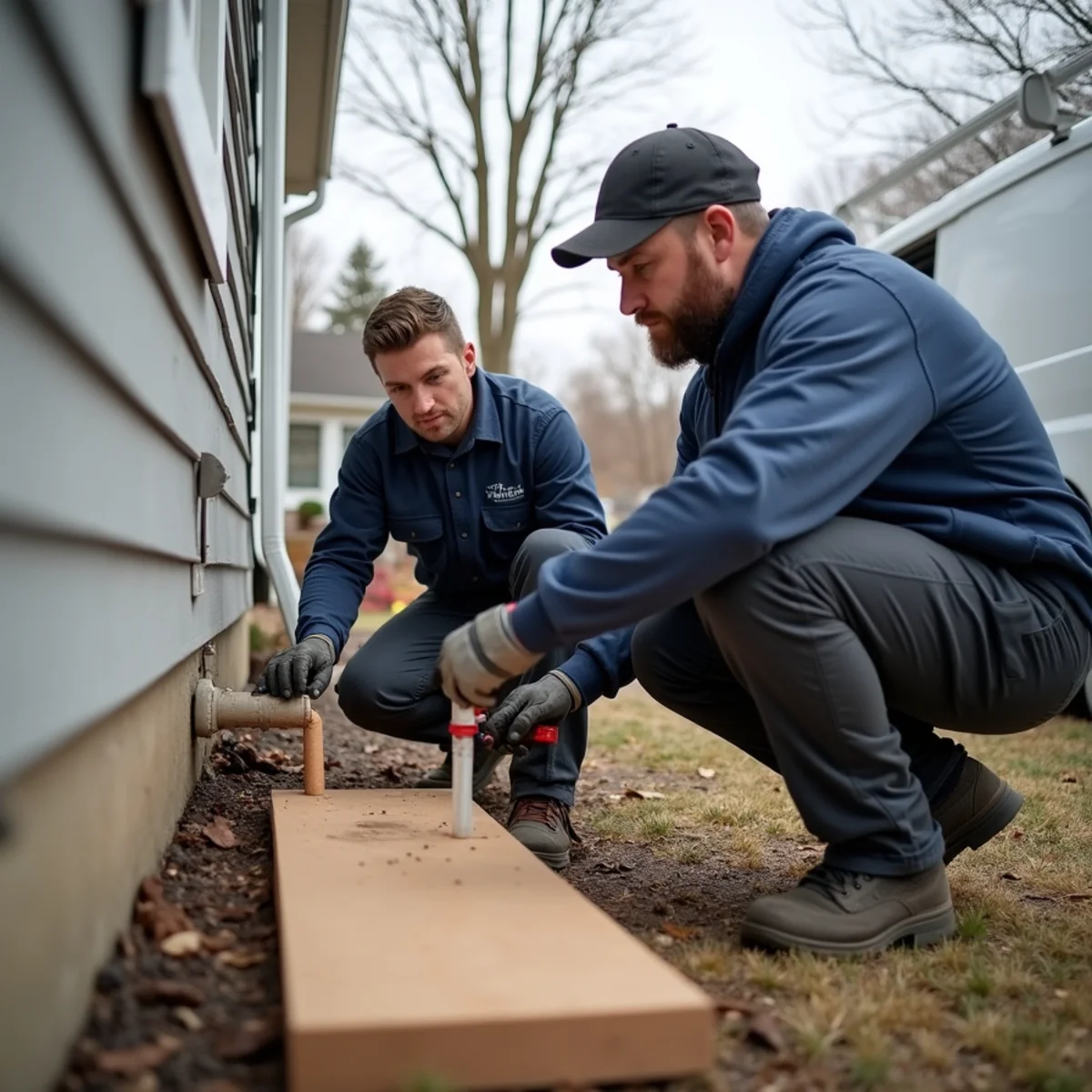
Winterize Your Pottstown Home Before the First Freeze
A practical winterizing walkthrough for Pottstown homes, covering the furnace, pipes, drafts, and the freeze-thaw risks that catch older houses off guard every year.
Read more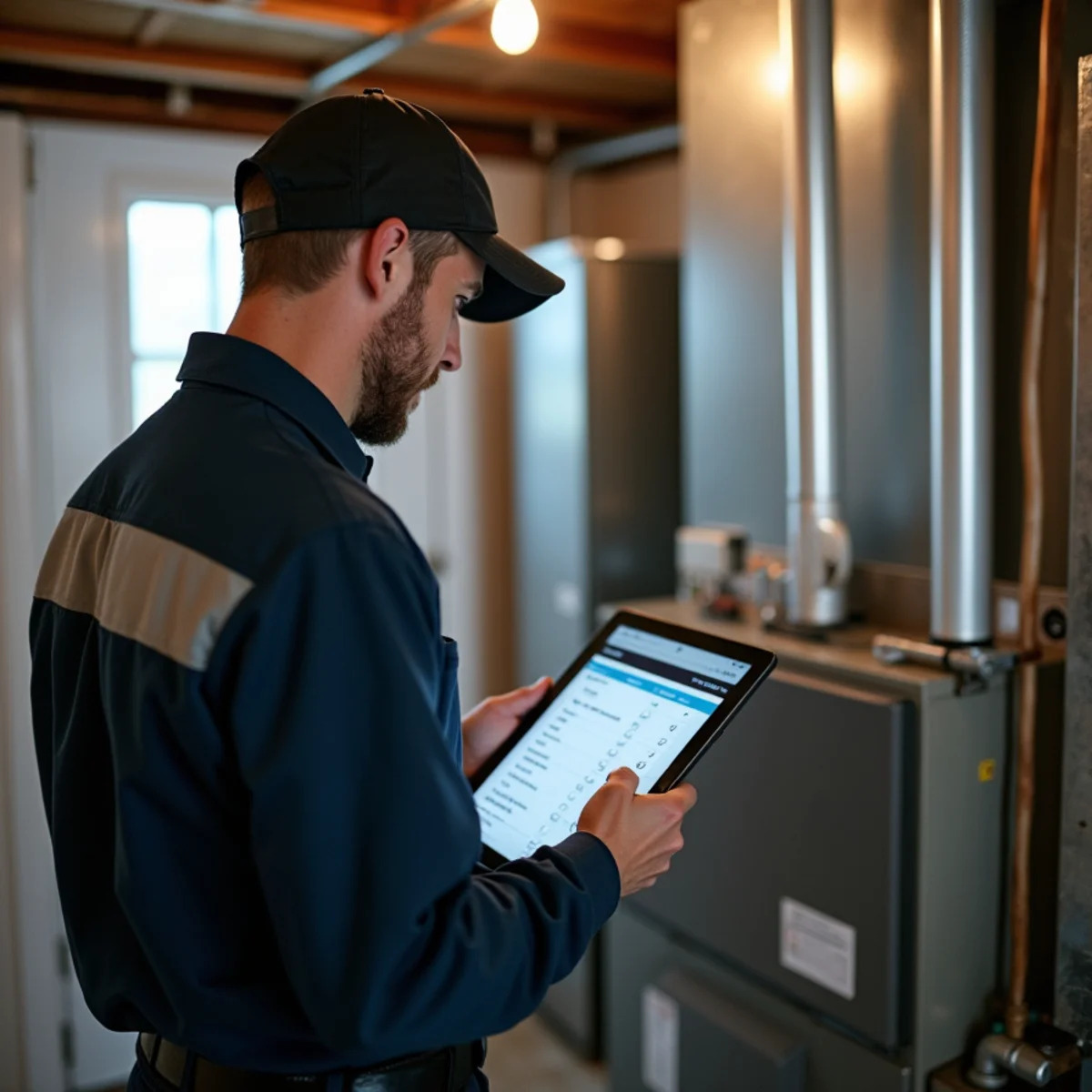
HVAC Maintenance Plans in Pottstown: What's Included
A plain-English look at what an HVAC maintenance plan actually covers in Pottstown, the perks that matter, and how to judge whether one pays off for your home.
Read more