
Multi-Unit HVAC Strategies for Pottstown Apartments
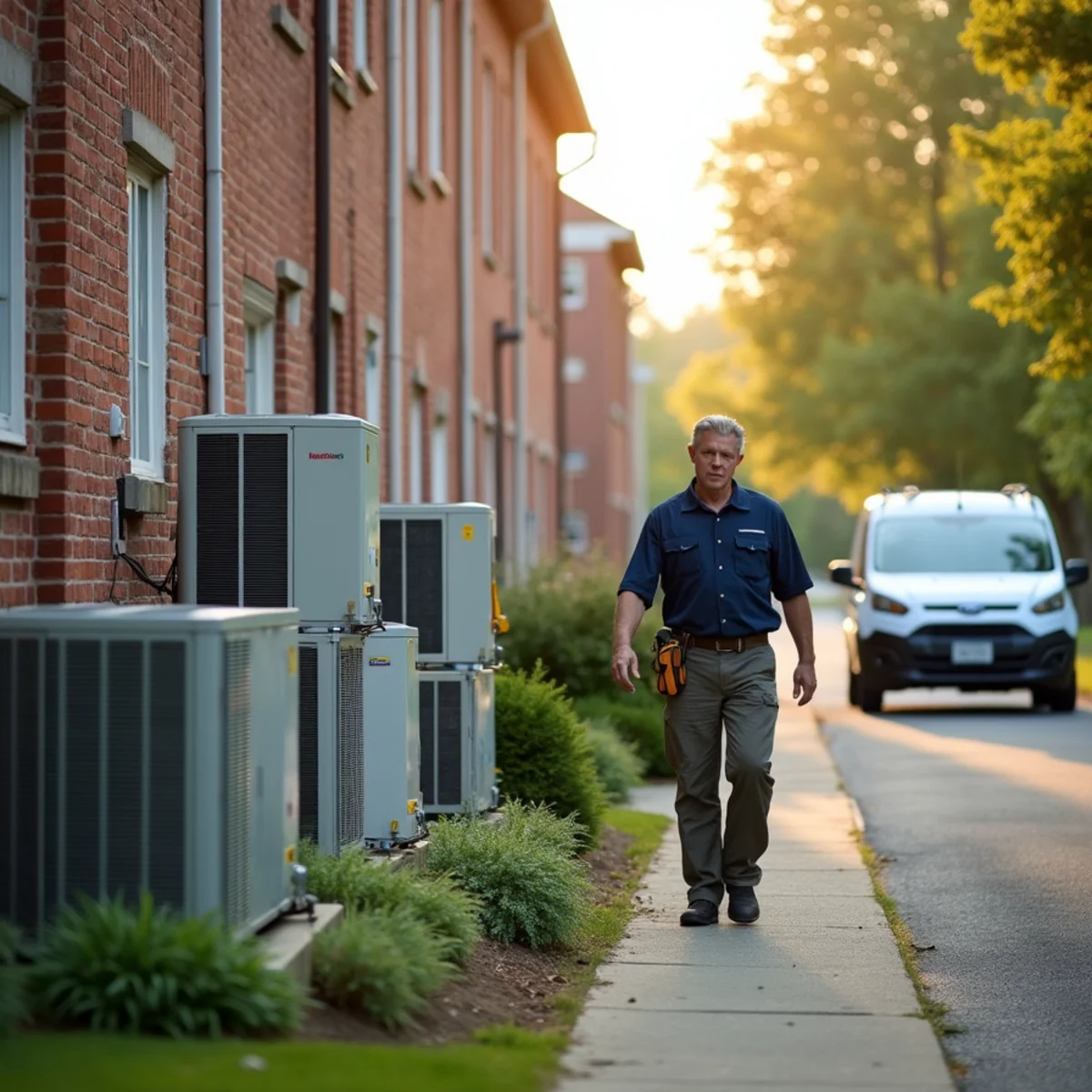
An apartment building is not one HVAC problem, it is many small ones that have to work together. Every tenant wants their own comfort, every unit affects the ones around it, and the owner wants a heating and cooling setup that does not turn into a maintenance money pit. Getting the strategy right up front saves years of grief.
This guide lays out the real decisions behind multi-unit HVAC in Pottstown: how to configure systems, who pays for what energy, how to keep maintenance manageable across many units, and how the borough's older building stock shapes the options. It is written for owners and managers weighing what to install or how to fix what they inherited.
Centralized Versus Individual Systems
The first fork in the road is whether to heat and cool from central equipment or give each unit its own system. Central systems, like a shared boiler for heat, simplify equipment count but make individual billing and comfort control harder. Individual systems, one per unit, give tenants control and clean metering but multiply the number of units to maintain.
There is no universal winner. A building's age, existing infrastructure, and how utilities are billed all push the answer one way or the other. Many older Pottstown buildings started with a central boiler and radiators, which changes the calculus versus a newer building wired for individual heat pumps.
- Central boiler and radiators: fewer systems, but harder to meter and control per unit.
- Individual heat pumps or furnaces: per-unit control and clean billing, more equipment to service.
- Ductless mini-splits: strong retrofit option for buildings without good ductwork.
- Hybrid setups: central heat with individual cooling, common in converted older buildings.
The Metering and Who-Pays Question
How energy gets billed drives a surprising amount of the design. When tenants pay their own utilities, individual systems with separate meters keep everyone accountable for their own usage and remove you from the middle of comfort-versus-cost arguments.
When heat is central and included in rent, the incentive flips: tenants have little reason to conserve, and your energy costs climb. That is not a reason to avoid central systems, but it is a reason to keep them tuned, control common-area settings tightly, and factor energy realistically into rent.
Maintenance Access Across Many Units
Servicing one furnace is simple; servicing twenty across occupied apartments is a logistics problem. The buildings that stay reliable are the ones with a maintenance plan that batches seasonal service, schedules access with tenants in advance, and keeps records for each unit so you can track which systems are aging.
Turnover is your friend here too. Every time a unit empties, service its HVAC while access is free and easy. Combined with scheduled seasonal visits for occupied units, this keeps the whole building ahead of failures instead of reacting to no-heat calls one apartment at a time.
Older Pottstown Buildings and Their Quirks
Many multi-unit buildings in the borough are conversions: old twins, large historic homes, and mixed-use buildings carved into apartments. These come with radiator or boiler heat, undersized electrical, and ductwork that was never designed for the current floor plan. Retrofitting comfort into them takes a plan, not a template.
Ductless mini-splits often shine in these buildings because they add efficient heating and cooling without new ductwork, and they let you condition unit by unit. Where a central boiler still serves the building well, the smart move is keeping it maintained while adding individual cooling. The right mix depends on what you already have.
Planning Capital Upgrades in Stages
Few owners can replace every unit's HVAC at once, and they should not try to. The smart play is a staged capital plan that upgrades the building in a deliberate order instead of replacing whatever breaks next. Done right, each stage improves comfort, trims energy cost, and spreads the spend across several budget years.
Sequence the Work by Condition and Access
Start with the systems that are oldest, least efficient, or most likely to strand a tenant, and pair the work with turnovers so you are converting units while they sit empty. A per-unit condition and age record, the same file you keep for maintenance, tells you the order. This turns a daunting whole-building number into a manageable line in each year's budget.
Where Mini-Splits Change the Math
In converted twins and older buildings without good ductwork, ductless systems often unlock a staged plan that ducted equipment cannot. You can add efficient heating and cooling to one unit at a time, meter each tenant cleanly, and skip the cost and disruption of new duct runs. Where a sound central boiler still carries the heat, adding individual cooling in stages is frequently the most cost-effective path.
Controlling Cost Without Sacrificing Comfort
The owner's goal is comfortable tenants and predictable costs, and those are not at odds when the systems are right-sized and maintained. Oversized equipment short-cycles and wastes energy; neglected equipment fails at the worst time and racks up emergency calls. A measured approach to sizing and a real maintenance schedule keep both comfort and budget in line.
We work with apartment owners and managers across Montgomery County on multi-unit strategy, from system configuration to seasonal service. Our commercial HVAC services cover the whole building, and we give you line-item quotes so capital decisions rest on real numbers rather than estimates pulled from the air.
Frequently Asked Questions
It depends on the building. Central systems mean fewer units to maintain but make per-tenant billing and comfort control harder. Individual systems give tenants control and clean metering at the cost of more equipment to service. Existing infrastructure and billing usually decide it.
Often, yes. Mini-splits add efficient heating and cooling without new ductwork and let you condition each unit independently, which suits old twins and converted homes that lack good duct runs. Whether they fit your building depends on an on-site assessment.
Batch seasonal service, schedule tenant access in advance, service every unit at turnover, and keep records per apartment so you can track aging systems. A planned schedule keeps the building ahead of failures instead of reacting one no-heat call at a time.
Rarely. A staged capital plan that replaces the oldest and least efficient systems first, ideally during turnovers, spreads the cost across budget years and keeps disruption low. A per-unit condition and age record tells you the right sequence.
It depends on the setup. Individual systems with separate meters let tenants pay for their own usage and keep everyone accountable. When heat is central and included in rent, keep it tuned, control common-area settings tightly, and price energy realistically into the rent.
Multi-unit HVAC is a design and management problem as much as a mechanical one, and the buildings that run well are the ones with a clear strategy for configuration, metering, and maintenance. HVAC Pottstown PA helps apartment owners and managers across Montgomery County make those calls on real numbers. Call +1 (327) 210-5999 to plan HVAC for your building the right way.
Need HVAC service in Pottstown today?
Call HVAC Pottstown PA for fast, honest HVAC service in Pottstown. We answer 24/7 and offer same-day service across Montgomery County.
Keep Reading

Keeping Pottstown Storefronts Comfortable Year-Round
A comfortable storefront keeps customers browsing. Here is how Pottstown retailers manage drafts, humidity, and old buildings across all four seasons.
Read more
Property Managers: The Between-Tenants HVAC Checklist
Turnover is the cheapest time to catch HVAC problems. This checklist gives Pottstown property managers a repeatable process for every empty unit.
Read more