
Oil-to-Gas Conversion Cost in Pottstown: When It Pays Off
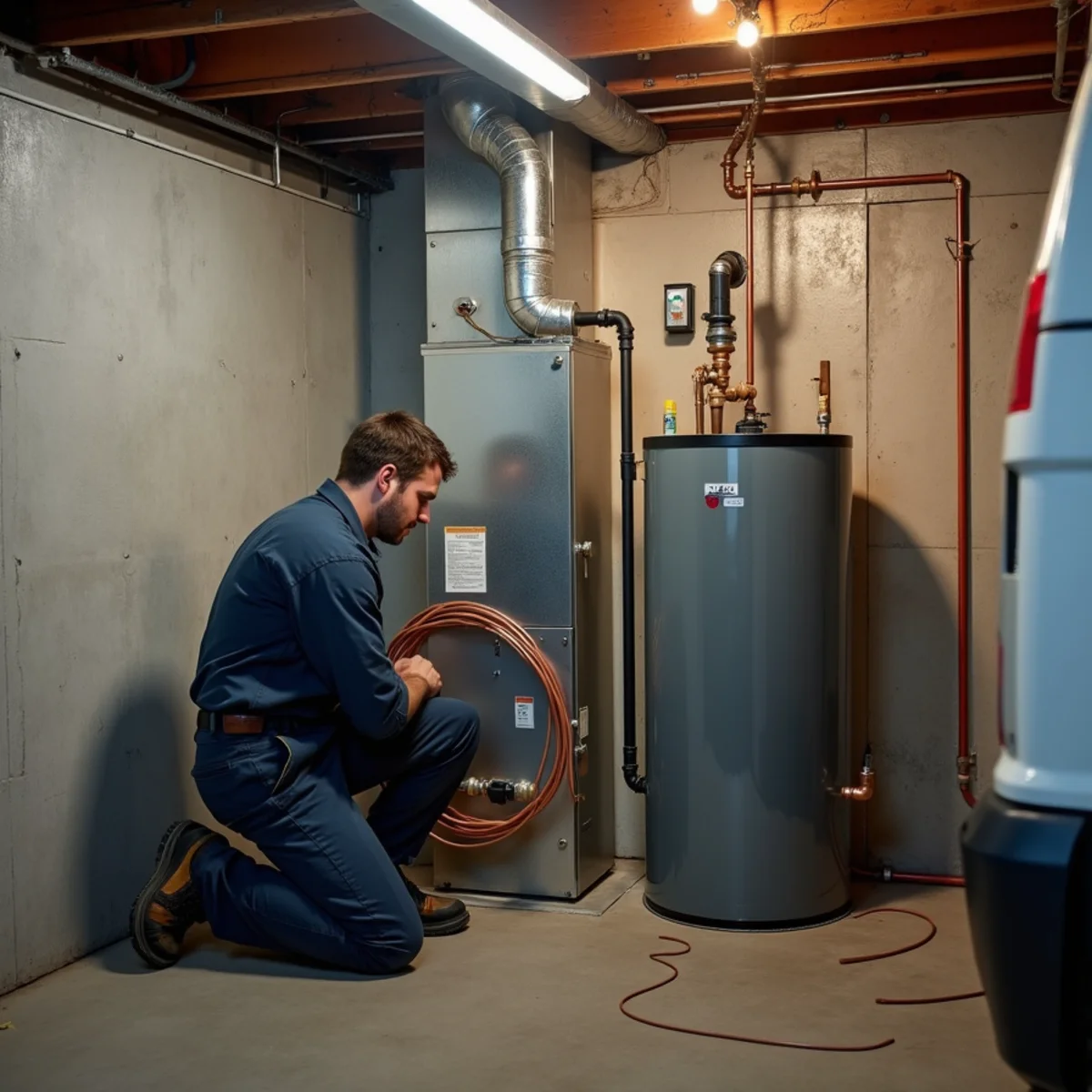
Oil heat still warms a lot of Pottstown homes, but every winter the fuel-delivery bills and the aging tank make homeowners wonder about switching to natural gas. It can be a smart move, and it can also be a bigger project than people expect. The answer depends on your home and your numbers.
This guide breaks down what an oil-to-gas conversion generally costs in our area, everything the job actually includes, and how to figure out whether it pays off for you. The figures here are general planning ranges. A real quote follows an on-site assessment of your home and gas availability.
What the Conversion Actually Involves
An oil-to-gas conversion is more than swapping a furnace. It is a coordinated project with several moving parts, and skipping any of them causes problems. Understanding the scope up front helps you read a quote and avoid lowball bids that leave things out.
A complete conversion typically includes:
- Confirming natural gas availability and arranging a service line to the home if one is not present.
- Installing a new gas furnace or boiler sized correctly for your home.
- Running gas piping to the new equipment and any other appliances.
- Proper venting for the new equipment, often different from the old oil setup.
- Decommissioning the oil system and addressing the old tank per local requirements.
- Pulling the mechanical permit and passing inspection.
Typical Conversion Cost Ranges
Because a conversion bundles several jobs, the range is wide. A new gas furnace install commonly runs $4,500 to $9,000 on its own, and a gas boiler more, but the conversion adds gas line work, venting changes, and tank handling on top of the equipment.
The single biggest variable is whether a gas service line already reaches your home. If gas is at the street and the connection is short, the added cost is modest. If the utility has to extend service a long distance, that piece alone can swing the total significantly. That is why an honest quote starts with confirming gas availability.
Running the Payback Math
The switch pays off when your annual fuel savings, plus reduced maintenance and no more tank worries, add up to recover the conversion cost within a reasonable window. For many homes, natural gas has been cheaper and steadier than oil, but you have to run your own numbers.
Weigh these factors honestly before committing:
- Your recent annual oil spend versus estimated gas cost for the same heating load.
- The condition and age of your current oil equipment, which may need replacing soon anyway.
- The cost and hassle of your aging oil tank, including any leak or removal concerns.
- Whether gas service already reaches your street, which heavily affects the up-front cost.
- How long you plan to stay in the home, since payback takes time to accrue.
When the Switch Makes the Most Sense
The math is strongest when your oil furnace or boiler is already near the end of its life. If you are facing a replacement anyway, the incremental cost of going gas instead of oil is much smaller, and the savings start immediately. That is the sweet spot.
It also makes sense when your oil tank is aging or sitting in a floodplain-prone spot near the Schuylkill, where a leak would be a serious problem. Removing that liability has real value beyond the fuel savings alone.
The Hidden Cost Most Conversion Quotes Get Wrong
The line item that sinks the most oil-to-gas budgets is not the furnace, it is getting gas to the equipment in the first place. Homeowners see a natural gas main running down their street and assume the connection is simple. Sometimes it is. Often the details behind that connection are where the real money hides, and a quote that glosses over them is not a quote you can trust.
Before you fall in love with a payback estimate, pin down these variables that swing the total more than the furnace itself:
- Service line distance: a short run from the street costs far less than extending gas across a deep lot or under a driveway.
- Meter and utility work: the gas utility's own charges, timelines, and any required upgrades are separate from your contractor's price.
- Chimney and venting: an old chimney may need relining, or a high-efficiency unit may need new sidewall venting entirely.
- Tank handling: whether the old oil tank is aboveground or buried changes decommissioning and removal cost significantly.
- Electrical and condensate: a condensing furnace needs a nearby drain and adequate power, which older homes do not always have ready.
Aboveground vs. buried oil tanks
The old tank is often the wild card. An aboveground basement tank is relatively straightforward to drain and remove. A buried tank in the yard is a different project, because closing it properly follows environmental requirements and any leak that turns up during removal can add cost and time. This matters even more for the riverfront and low-lying properties near the Schuylkill, where a compromised tank is a genuine liability.
None of this is a reason to avoid converting. It is a reason to insist that the quote spells out exactly how your specific tank will be handled, so the cost is on paper before the work starts rather than discovered halfway through.
Getting It Done Right in Pottstown
A conversion touches gas, venting, and combustion, so it is not a corner-cutting job. It requires the right sizing, a proper mechanical permit, and code-compliant work throughout. We coordinate the pieces so the project actually comes together instead of stalling halfway.
We handle oil-to-gas conversion for homeowners across the area, including Lower Pottsgrove Township, and we lay out the full scope and cost before any work starts. The new equipment side of the job is handled by our furnace installation team, sized with a Manual J load calculation rather than a guess. No hidden line items, no surprises after the tank comes out.
Frequently Asked Questions
It varies widely because the project bundles equipment, gas piping, venting, and tank handling. The largest factor is whether gas service already reaches your home. An accurate quote requires an on-site assessment of your gas availability.
It pays off fastest when your oil equipment is already near replacement, gas already reaches your street, and you plan to stay in the home long enough for fuel savings to recover the cost. Run your own annual-cost comparison.
A complete conversion includes decommissioning the oil system and addressing the tank according to local requirements. This is especially important for aging tanks or those in flood-prone areas near the river.
You need gas available at or near your street. If a main is close, extending service is often reasonable; if not, running a new line can dominate the cost. Confirming gas availability is the first step of any honest conversion quote.
It depends on your existing heat distribution. Homes with ductwork usually move to a gas furnace, while radiator homes typically stay with a boiler. We match the new equipment to how your home already delivers heat.
Converting from oil to gas can lower your heating costs and remove the hassle of a tank, but only when the timing and the numbers line up for your home. HVAC Pottstown PA assesses gas availability, scopes the full project, and prices it honestly so you can decide with real information. Call +1 (327) 210-5999 to schedule an assessment and find out whether the switch pays off for you.
Need HVAC service in Pottstown today?
Call HVAC Pottstown PA for fast, honest HVAC service in Pottstown. We answer 24/7 and offer same-day service across Montgomery County.
Keep Reading
Does Homeowners Insurance Cover HVAC Failure in PA?
A plain-English look at when Pennsylvania homeowners insurance covers HVAC damage, when it does not, and how to document a claim the right way.
Read more
AC Replacement Cost in Pottstown: What Homeowners Actually Pay
Real-world ranges for central AC replacement in Pottstown, the factors that move the price, and why a Manual J load calculation protects your investment.
Read more