
A Landlord's Guide to HVAC in Pottstown Rentals
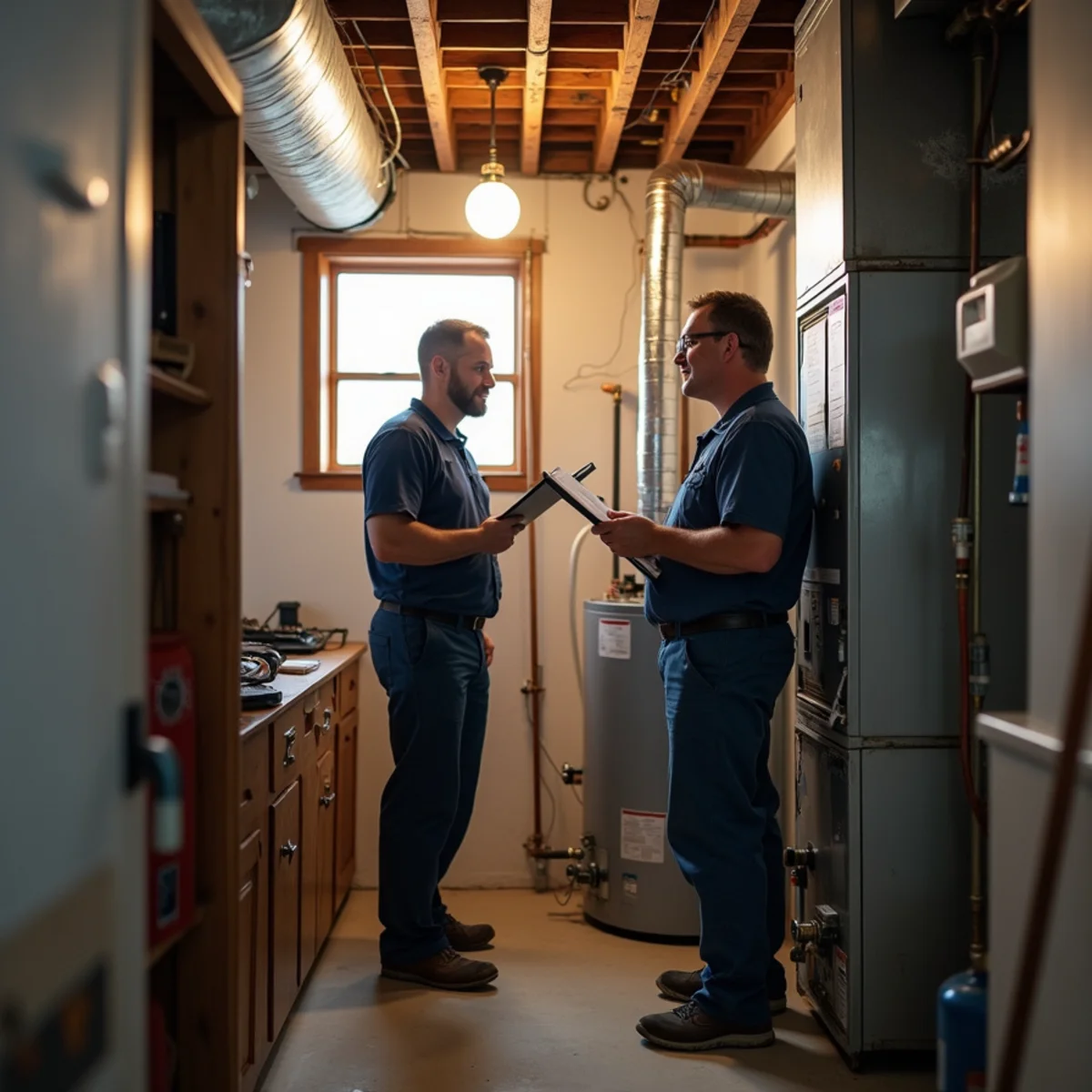
A rental property lives or dies on its systems, and heating and cooling sit near the top of that list. In Pottstown, where winters bring January lows around 22 degrees and summers turn humid fast, a tenant without heat or air conditioning is a tenant with a legitimate complaint and a landlord facing an emergency call at the worst possible time.
This guide walks through what you are responsible for, how to keep older rental systems alive, and how to budget so HVAC never becomes the line item that wrecks your year. It is written for the small landlord who owns a twin, a rowhome, or a handful of units, not a corporate portfolio.
Your Responsibilities as a Pottstown Landlord
Pennsylvania law expects rental housing to be safe and habitable, and functioning heat is central to that. That means you are on the hook for keeping the heating system operational and safe, and for addressing failures promptly, especially in cold weather. Air conditioning obligations depend on what the lease promises and what is installed.
Beyond the legal floor, there is a practical reality: deferred HVAC problems get more expensive, not less. A furnace running with a marginal heat exchanger is both a safety risk and a liability you do not want to carry into a cold snap.
Older Rental Housing Stock and What Comes With It
Much of Pottstown's rental inventory is older: historic brick twins and rowhomes, radiator and boiler homes, and 1960s ranches converted to rentals. Each brings its own quirks. Boiler homes need annual attention to pressure, the expansion tank, and bleeding radiators. Older forced-air furnaces often pair with undersized or leaky ductwork.
Knowing what you own matters. A boiler that has served a High Street twin for decades can keep going with proper maintenance, while a rusting 1990s furnace may be a replacement waiting to strand a tenant. An honest assessment tells you which systems to nurse and which to plan around.
- Boiler and radiator homes: annual service, check pressure and the expansion tank, bleed air from radiators.
- Forced-air furnaces: filter changes, flame-sensor and igniter checks, heat-exchanger inspection each fall.
- Window and wall AC units: clean coils, check seals, confirm safe electrical before summer.
- Older ductwork: seal obvious leaks so you are not paying to heat the basement.
Between-Tenant Turnover Is Your Best Window
The gap between tenants is the cheapest time to service HVAC. The unit is empty, access is easy, and you are not scheduling around anyone's work day. Change filters, test heating and cooling through a full cycle, flush condensate drains, and confirm the thermostat works and holds a setpoint.
This is also when a small investment pays off. A cheap programmable thermostat, a fresh filter, and a documented tune-up reduce mid-lease emergency calls and give you a record if a tenant later claims a system never worked.
Budgeting So HVAC Never Blindsides You
Treat HVAC as a predictable operating cost, not a surprise. Set aside reserves per unit each year for maintenance and eventual replacement. Furnaces and AC systems have finite lifespans, and planning for replacement beats scrambling when one dies in February.
General third-party ranges for context: a diagnostic often runs $75 to $200, a thermostat $150 to $500, and a blower motor $400 to $1,100, with larger repairs climbing toward $3,000. These are not our quotes, and any real figure needs an on-site look at the specific unit. Knowing the ranges, though, helps you build a reserve that holds up.
Reading the Age of a Rental's Equipment
The single most useful skill for a landlord is knowing how old each system really is, because age drives every repair-or-replace decision. You do not need a technician to get close. The nameplate on a furnace or condenser carries a serial number, and most manufacturers encode the build date in the first four digits, often as week and year or a lettered month. Photograph every nameplate and keep it in the unit file.
When to Nurse Versus When to Plan a Replacement
A gas furnace commonly runs fifteen to twenty years, a central air condenser ten to fifteen, and a cast-iron boiler can outlast both by decades when the burner and controls are kept up. Once a forced-air unit passes fifteen years and starts needing a second or third repair, you are usually spending good money on a system that will strand a tenant soon anyway. That is the moment to budget a planned replacement rather than the next patch.
The Records That Protect You
Keep a simple folder per unit: nameplate photos, filter sizes, dated service records, and any tenant heat or cooling complaints. When a tenant claims a system never worked, a documented turnover inspection is your defense. When a furnace finally dies, the same file tells you its age and history so the replacement decision is quick and unemotional instead of a February scramble.
One Contractor Across Your Units Saves Time
Using one HVAC company across your properties means someone already knows your equipment, your access quirks, and your history. That shortens diagnosis when a tenant calls with no heat and gives you a single point of contact for scheduling seasonal service.
We handle both commercial HVAC services for mixed-use and multi-unit buildings and residential HVAC services for single-family and small rental homes, so a mixed portfolio does not mean juggling multiple contractors. Rentals in the North End rentals and older borough neighborhoods make up a good share of the work we see.
Frequently Asked Questions
Heat is generally required for habitability, but air conditioning obligations usually depend on what your lease promises and what is already installed. If a unit came with central AC or provided window units, tenants reasonably expect them maintained.
Budget for both annual maintenance and eventual replacement. Systems wear out on a schedule, so a yearly reserve per unit means a failed furnace is a planned expense rather than a crisis. An on-site assessment of your equipment ages helps set the number.
Between tenants. The unit is empty, access is simple, and you can run a full heating and cooling cycle without disturbing anyone. It is also the ideal moment to document that everything works before a new lease begins.
Check the nameplate on the equipment. Most manufacturers encode the build date in the first four digits of the serial number, usually a week and year. Photograph it and keep it in the unit file so you always know where each system sits in its lifespan.
Heat is a habitability requirement in Pennsylvania, so a heating failure needs a prompt response, especially in cold weather. Call for service right away rather than waiting. Our line answers 24/7 for exactly these situations.
Rental HVAC is manageable when you treat it as planned maintenance instead of a series of emergencies. Service between tenants, keep a reserve, and know which of your systems are near the end of their life. HVAC Pottstown PA works with local landlords across the borough and answers 24/7 when a tenant loses heat. Call +1 (327) 210-5999 to set up service across your properties.
Need HVAC service in Pottstown today?
Call HVAC Pottstown PA for fast, honest HVAC service in Pottstown. We answer 24/7 and offer same-day service across Montgomery County.
Keep Reading
Multi-Unit HVAC Strategies for Pottstown Apartments
Heating and cooling a Pottstown apartment building is a design and management challenge. Here are the strategies that keep tenants comfortable and costs sane.
Read more
Keeping Pottstown Storefronts Comfortable Year-Round
A comfortable storefront keeps customers browsing. Here is how Pottstown retailers manage drafts, humidity, and old buildings across all four seasons.
Read more