
Does Homeowners Insurance Cover HVAC Failure in PA?
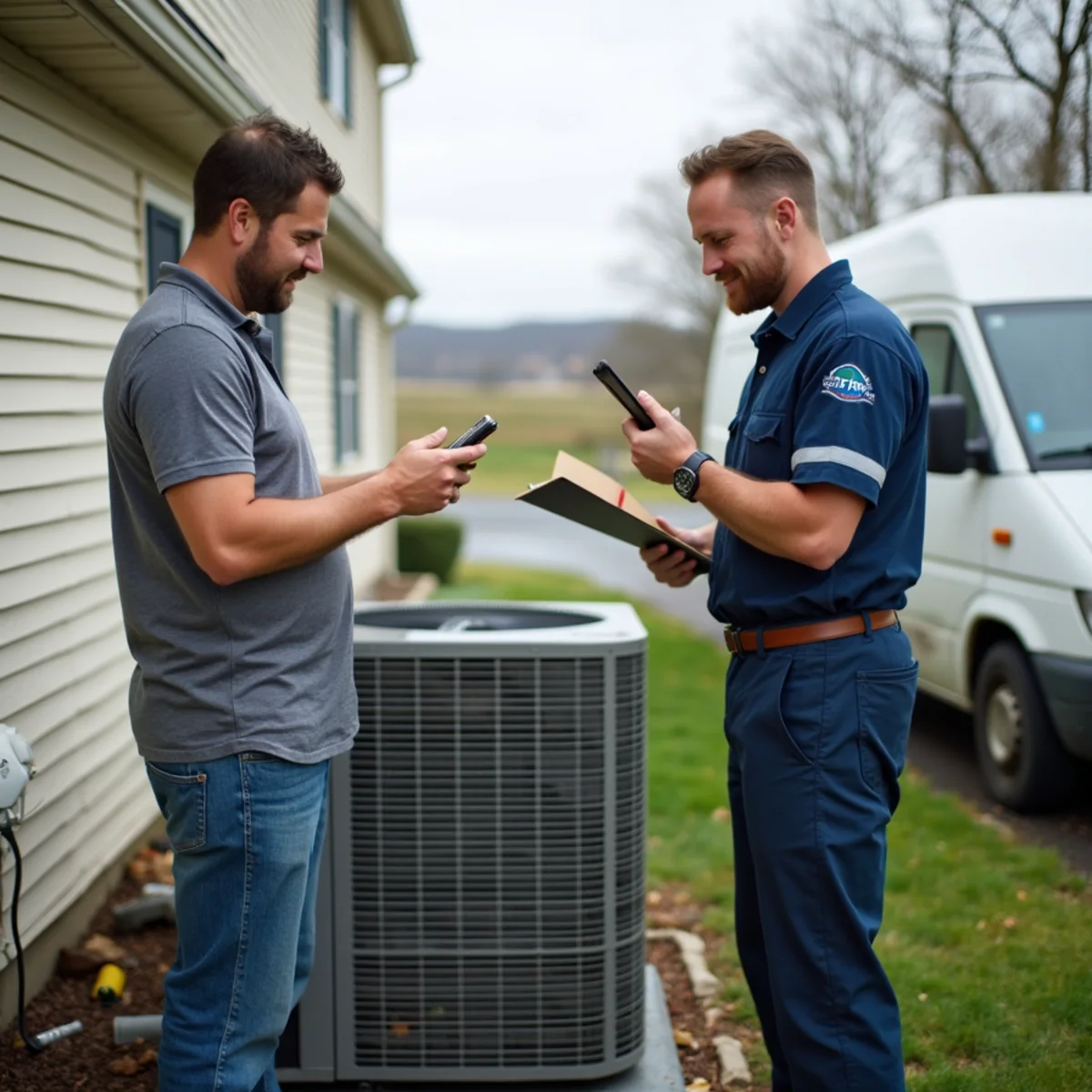
When an HVAC system dies, the natural hope is that insurance will cover it. Sometimes it does, and sometimes it absolutely will not, and the difference usually comes down to why the system failed. Understanding that line before you call your insurer saves a lot of frustration.
This is a general guide for Pottstown homeowners, not legal or insurance advice. Every policy is different, so read yours and talk to your agent about your specific coverage. What follows is the framework that explains why some HVAC losses get paid and others get denied.
Covered Perils vs. Wear and Tear
Standard homeowners policies are built to cover sudden, accidental damage from specific events called covered perils. They are not built to cover equipment that simply wore out. That distinction is the whole ballgame for HVAC claims.
If a covered peril damages your system, coverage is far more likely. If the system failed because it was old and reached the end of its life, that is maintenance, not a claim.
- Often covered: damage from fire, lightning strikes, falling trees or limbs, and certain storm events.
- Sometimes covered: a power surge from a lightning event that fries a control board, depending on your policy.
- Rarely covered: a compressor or heat exchanger that failed from age and normal use.
- Generally excluded: lack of maintenance, rust, gradual deterioration, and mechanical breakdown.
Pennsylvania Weather and Your Coverage
Pottstown sees real weather. Summer storms, winter freeze-thaw cycles, and flooding concerns near the Schuylkill River and Manatawny Creek all create scenarios where HVAC equipment gets damaged by something sudden rather than by age.
Flood damage is a critical exception. Standard homeowners policies typically exclude flooding, which usually requires separate flood insurance. If your outdoor unit sits in a floodplain and takes on water, whether you are covered depends entirely on whether you carry flood coverage. Know that before the water rises, not after.
How to Document a Potential Claim
If you think a covered event damaged your HVAC system, how you document it matters as much as what happened. Insurers make decisions based on evidence, so build the record before anything gets cleaned up or hauled away.
Do these things right away:
- Photograph and video the damage from multiple angles before anyone touches it.
- Preserve damaged parts and do not discard them until the claim is resolved.
- Get written findings from a licensed technician describing the cause of the damage.
- Keep the storm date, any utility outage notices, and a timeline of what happened.
- Save all invoices, the original install records, and any maintenance history you have.
Why a Technician's Written Findings Help
An insurer often wants to know the mechanism of failure. Did lightning surge through the system, or did a 19-year-old compressor simply give out? A licensed technician can document the cause in writing, which gives your claim something concrete to stand on.
We can provide a clear written assessment of what we find during a diagnostic. We do not decide your claim, and we do not advise you on coverage, but an honest technical description of the damage is useful evidence to hand your adjuster.
The Claim Process, Step by Step
If you believe a covered event damaged your system, moving through the claim in the right order protects both your evidence and your standing with the insurer. Rushing to rip out the old equipment or to file before you understand your coverage can cost you. Work through it deliberately:
- Make it safe first: if there is gas, smoke, a burning smell, or standing water near equipment, leave and call for help before anything else.
- Document before you touch: photograph and video the damage, the surrounding area, and any storm or tree damage that caused it.
- Preserve the evidence: do not discard damaged parts or the unit until the claim is settled and the adjuster has what they need.
- Get a written technical assessment: have a licensed technician describe the cause and extent of the failure in writing.
- Review your policy and call your agent: confirm the covered perils, your deductible, and how HVAC damage is treated before filing.
- File with your documentation ready: submit photos, the technician's findings, install records, and a clear timeline together.
- Keep copies of everything: save every email, estimate, and adjuster note in one place until the claim closes.
Repair or replacement value, and your deductible
Two policy details decide how much a paid claim actually helps. The first is whether your coverage pays replacement cost or actual cash value. Actual cash value subtracts depreciation, so on a 15-year-old system the check can be far smaller than a new unit costs. Replacement cost coverage pays closer to what a new system runs, minus your deductible.
The second is the deductible itself. If a covered repair is only somewhat above your deductible, the payout may be modest, and filing a small claim can still affect your record and future premiums. Weigh the likely payout against those costs before you file, and ask your agent to walk you through both figures.
What to Do First
Before you file anything, read your policy's covered perils and exclusions, and call your agent to ask how your specific coverage treats HVAC damage. Filing a claim that gets denied can still affect your record, so it pays to understand your footing first.
Meanwhile, if you are without heat or cooling, the equipment problem still needs solving. Our residential HVAC services team can diagnose and document the failure while you sort out coverage with your insurer. If the damage is sudden and leaves you without heat in winter, our emergency HVAC repair line can get someone out quickly to stabilize the situation.
Frequently Asked Questions
It depends on the cause. Damage from a covered peril like lightning or a falling tree is often covered, while a system that simply wore out from age is generally not. Read your policy and ask your agent about your coverage.
Standard homeowners policies usually exclude flooding, which typically requires separate flood insurance. If your equipment is near the Schuylkill or a floodplain, confirm whether you carry flood coverage before you need it.
Photograph the damage before anything is touched, preserve the damaged parts, and get written findings from a licensed technician describing the cause. Keep invoices, install records, and a timeline of the event.
Not always. If the repair is only somewhat above your deductible, the payout may be small and a filed claim can still affect your record and premiums. Compare the likely payment against those costs, and ask your agent, before filing.
Only if you carry replacement cost coverage. Actual cash value policies subtract depreciation, so an older system's payout can be well below the price of a new unit. Check which type your policy uses before you count on a figure.
Insurance can cover HVAC damage from a sudden covered event, but rarely covers equipment that wore out, so document carefully and read your policy before you file. This guide is general information, not legal or insurance advice. If your system was damaged and you need it diagnosed and documented, HVAC Pottstown PA can help. Call +1 (327) 210-5999 to schedule a diagnostic across Montgomery County.
Need HVAC service in Pottstown today?
Call HVAC Pottstown PA for fast, honest HVAC service in Pottstown. We answer 24/7 and offer same-day service across Montgomery County.
Keep Reading
Oil-to-Gas Conversion Cost in Pottstown: When It Pays Off
What an oil-to-gas conversion typically costs in Pottstown, everything the project actually includes, and how to run the payback math before you commit.
Read more
AC Replacement Cost in Pottstown: What Homeowners Actually Pay
Real-world ranges for central AC replacement in Pottstown, the factors that move the price, and why a Manual J load calculation protects your investment.
Read more