
How Often Should Pottstown Homeowners Change HVAC Filters?
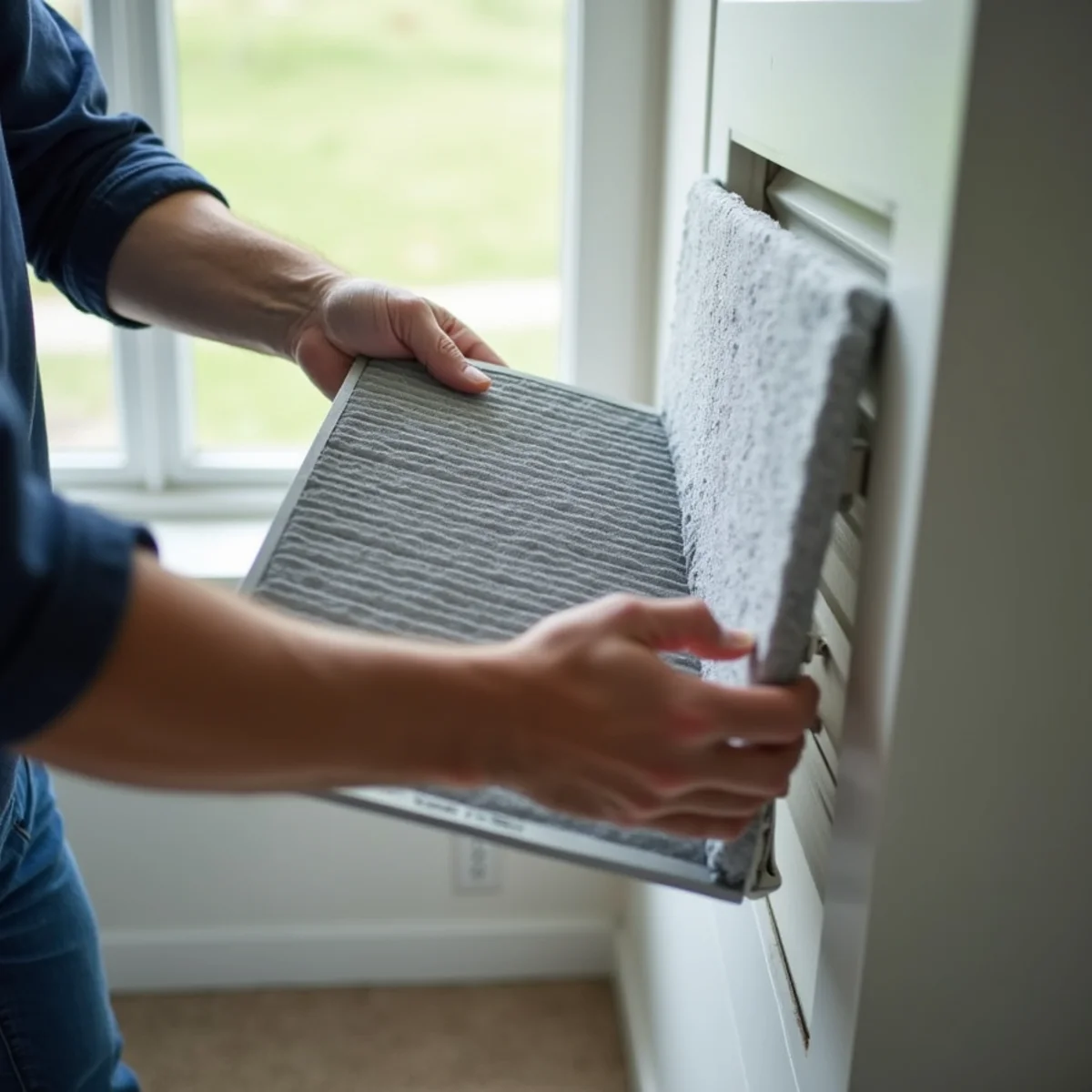
The air filter is the cheapest, most overlooked part of your HVAC system, and it causes more service calls than almost anything else. A filter costs a few dollars, but a clogged one strains the blower, freezes coils, and trips furnace safety limits. It is the single easiest thing a Pottstown homeowner can do to protect an expensive system.
So how often should you actually change it? The honest answer is that it depends on the filter, the household, and the season. Here is a clear schedule and the reasoning behind it.
A Simple Schedule by Filter Type
Filter thickness is the biggest factor. Thicker media has more surface area, so it lasts longer before it clogs. As a general starting point:
- 1-inch fiberglass or pleated filters: check monthly, change every 30 to 60 days.
- 3-inch to 4-inch pleated media filters: change every 60 to 90 days.
- 5-inch whole-house media cabinets: change every 6 to 12 months per the manufacturer.
- High-MERV or HEPA-style filters: follow the maker's interval and confirm your system can handle the airflow restriction.
What Makes You Change It More Often
The schedule above is a baseline. Real life shortens it. Change your filter more frequently if any of these apply to your household:
- Pets that shed, which load a filter with hair and dander fast.
- Household members with allergies, asthma, or other respiratory sensitivity.
- Ongoing renovation or nearby construction dust.
- Running the system hard during a July humidity stretch or a January cold snap.
- A wooded or dusty lot, or frequent open windows in pollen season.
- A smoker in the home.
What a Dirty Filter Actually Costs
A neglected filter does not just get dirty, it strangles the system. Once airflow drops, the damage cascades in ways that cost far more than the filter ever would.
- In summer, restricted airflow can freeze the evaporator coil and stop cooling entirely.
- In winter, a clogged filter overheats the furnace and trips the limit switch, causing short-cycling.
- The blower motor works harder and draws more power, shortening its life.
- Energy bills climb because the system runs longer to move the same air.
- Dust bypasses the packed filter and coats the coil, reducing efficiency further.
Choosing the Right Filter for Your System
More filtration is not always better. A high-MERV filter that your blower cannot pull air through will choke the system as surely as a dirty one. The goal is the highest filtration your equipment is rated to handle without starving airflow.
- Match the filter size exactly to the slot, no gaps for air to sneak around.
- Note the airflow direction arrow and install it pointing toward the blower.
- For most homes, a mid-MERV pleated filter balances filtration and airflow well.
- If you want stronger filtration, ask a technician whether your system supports it.
The MERV Number, and Why More Is Not Always Better
This is where good intentions do the most damage. MERV is the rating that describes how fine a filter's mesh is, from a basic MERV 6 up through MERV 13 and beyond. Higher catches smaller particles, and it is tempting to assume the highest number is the healthiest choice. On a system that was not designed for it, the opposite is true.
Here is the mechanism a lot of homeowners miss. A residential furnace blower is sized to move a certain volume of air against a certain resistance. Slide in a dense high-MERV filter and you raise that resistance, which HVAC techs read as static pressure. Push static pressure too high and airflow drops across the whole system: the AC coil can ice over in summer, the furnace can overheat and trip its limit in winter, and the blower strains on every cycle. A choked MERV 13 filter can hurt the system exactly the way a neglected dirty filter does.
The right move is to match filtration to what your equipment can pull air through, and if you genuinely need hospital-grade filtration for allergies, the real answer is often a dedicated media cabinet or an added return, not just cramming a denser filter into the existing slot. A technician can read your static pressure and tell you the ceiling your blower can handle.
- MERV 6 to 8: basic protection, easiest on airflow, fine for many older systems.
- MERV 11 to 13: better allergen capture, only if your system is rated for the restriction.
- Above MERV 13: usually needs a dedicated media cabinet or added return, not a slot filter.
- When in doubt, have static pressure measured before you upgrade filtration.
Make It a Habit You Do Not Forget
The best filter schedule is one you actually follow. Buy filters in multipacks so you always have the right size on hand, and tie the change to something you already remember, like paying a monthly bill or the start of each season.
Write the install date on the filter frame with a marker so you can see at a glance how long it has been in. A small habit here prevents the majority of avoidable no-heat and no-cooling calls we see.
Frequently Asked Questions
Hold it up to a light. If you cannot see light through the media, or it is gray and packed with dust, replace it now regardless of the calendar. Homes with pets or allergies almost always need shorter intervals.
Yes. A clogged filter can freeze the AC coil in summer and overheat the furnace in winter, and the added strain shortens blower-motor life. The filter is cheap insurance against much costlier repairs.
Not necessarily. If your system is not rated for the airflow restriction, a very high-MERV filter starves the blower and hurts performance. Match filtration to what your equipment can handle, and ask a technician if unsure.
The airflow arrow printed on the filter frame should point toward the furnace or air handler, in the direction the air travels, which is away from the return duct. Installing it backward reduces filtration and can let the media collapse.
Both are peak seasons. The system runs hard during July humidity and again during January cold, so filters load faster then. Check monthly through those stretches even if your normal interval is longer.
Changing the filter on a sensible schedule is the highest-return maintenance habit you have, and it takes two minutes. If you are not sure which filter your system needs, or you want it checked during a tune-up, call HVAC Pottstown PA at +1 (327) 210-5999 and we will make sure your system is breathing easy.
Need HVAC service in Pottstown today?
Call HVAC Pottstown PA for fast, honest HVAC service in Pottstown. We answer 24/7 and offer same-day service across Montgomery County.
Keep Reading
Winterize Your Pottstown Home Before the First Freeze
A practical winterizing walkthrough for Pottstown homes, covering the furnace, pipes, drafts, and the freeze-thaw risks that catch older houses off guard every year.
Read more
Fall Furnace Tune-Up Checklist for Pottstown Homeowners
What a real fall furnace tune-up covers in Pottstown, which steps you can safely handle yourself, and the warning signs that mean you should book a technician before the first cold snap.
Read more