
Manatawny Creek Flood Zones: Protecting Outdoor Units in Pottstown's West End
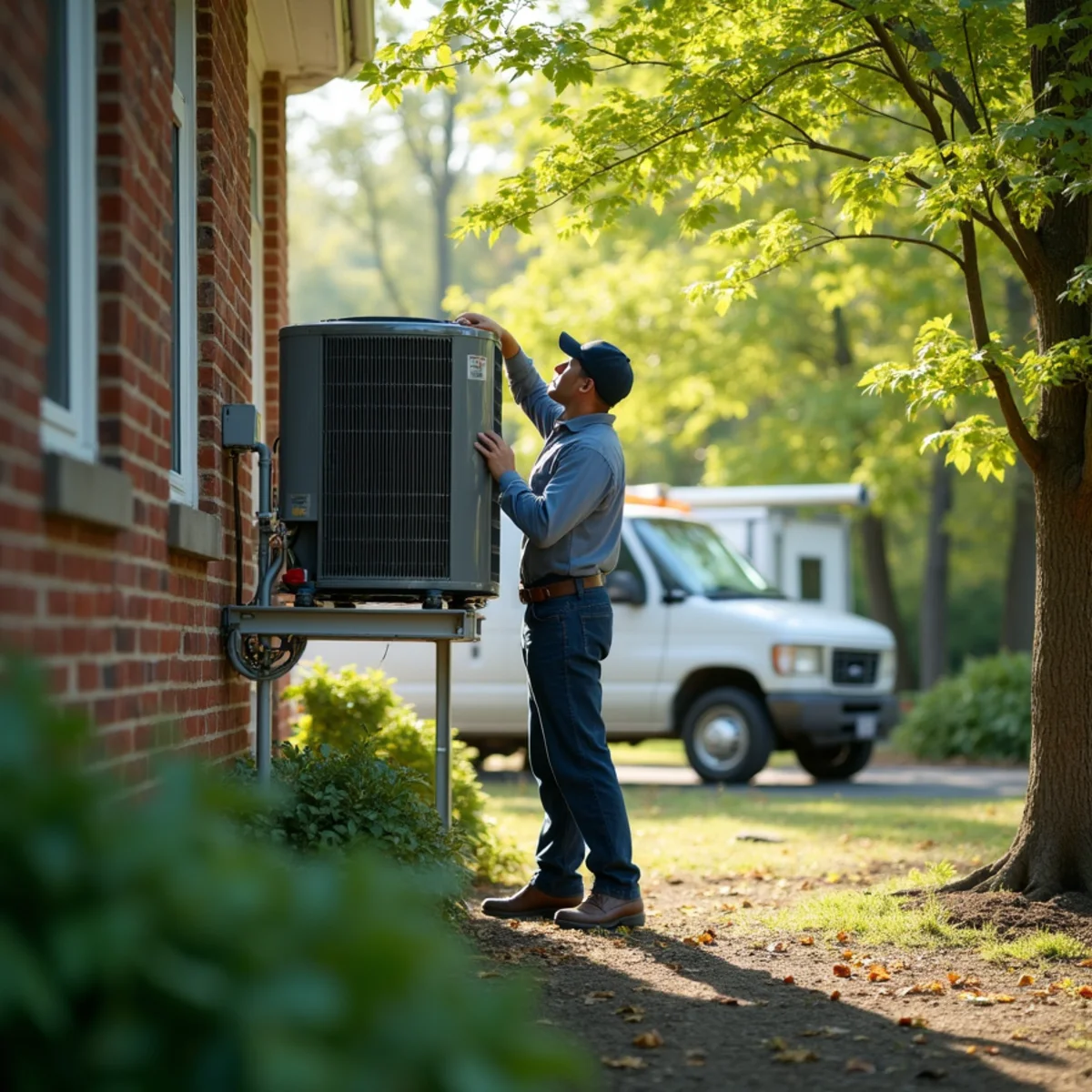
Manatawny Creek runs down through the west side of Pottstown before it joins the Schuylkill River near the edge of town. The creek is part of what gives the West End its character, and it has shaped the neighborhood for as long as people have lived there. It also floods. After a heavy rain, the low ground along the creek can take on water quickly.
For homeowners in the West End and the blocks near the water, that matters most for the equipment that lives outdoors: the air-conditioning condenser or the heat pump. These units sit at grade by default, which puts them right in the path of creek water. A few smart choices at installation keep them safe.
Why Manatawny Creek Floods the Way It Does
Creeks respond faster than big rivers. When a summer thunderstorm parks over the watershed or a spring rain saturates the ground, a creek like the Manatawny can rise within hours and drop just as fast once the rain stops. That flashiness is exactly what makes it tricky to plan around.
The West End sits on relatively low ground where the creek runs toward the Schuylkill, and the area gets its share of the roughly 45 inches of precipitation the region sees each year. Homes closest to the water can face standing water at ground level during the worst events, even when the rest of Pottstown stays dry.
Why Outdoor Units Are Vulnerable
An outdoor condenser or heat pump is built to shrug off rain, but it is not built to sit in a flood. The fan motor, the compressor, the electrical connections, and the control board are all at risk when water rises above the base of the unit.
The failure points during a creek flood are predictable:
- Silt and debris packing into the coil fins and choking airflow.
- Water reaching electrical connections and the contactor, causing shorts and corrosion.
- The compressor drawing in water or sediment, which can end its life.
- Debris carried by fast-moving water striking or shifting the unit off its pad.
- Corrosion that shows up weeks later, after the visible water is long gone.
Elevation and Placement That Work
The best protection is height. Getting the unit up above the expected flood level takes it out of harm's way for all but the most severe events. When we install or relocate outdoor equipment in the West End, elevation is the first conversation.
Practical measures include:
- Raising the condenser on a tall, engineered stand or wall bracket rather than a low grade-level pad.
- Positioning the unit on the higher side of the property where the lot slopes.
- Anchoring the unit securely so fast water cannot shift or float it.
- Keeping the surrounding area clear of loose debris that a flood can drive into the coil.
- Elevating the electrical disconnect and whip along with the unit itself.
Stand versus wall bracket
For most homes near the creek, a tall engineered stand gets the unit above the flood line while keeping it serviceable. Where the lot is very tight or the expected water is high, a wall bracket bolted into solid masonry lifts the condenser clear of the ground entirely. The choice comes down to the wall, the unit's weight, and how high the water has reached in past events.
Do not forget the line set and disconnect
Raising the box does no good if the refrigerant line set, the electrical whip, and the disconnect still sit at grade. Water tracks in through the lowest opening, so those connections have to rise with the unit and get sealed properly. This is the detail that separates a real flood retrofit from a condenser simply set on taller feet.
How We Elevate and Anchor a Creekside Unit
Elevating an outdoor unit near the Manatawny is more than stacking blocks under it. Fast creek water pushes hard and carries debris, so the unit has to be both high and firmly fixed. The process we follow on a creekside install looks like this:
Done in this order, the unit rides out a flash flood instead of ending up on its side in the yard.
- Step 1: Check the water line from past floods, then set a target height above it with margin to spare.
- Step 2: Build or bolt an engineered stand or masonry wall bracket rated for the unit's weight.
- Step 3: Anchor the unit to the stand so fast-moving water cannot lift or slide it off.
- Step 4: Route the refrigerant line set and electrical whip up to the raised unit and seal every penetration.
- Step 5: Relocate the disconnect above the flood line and keep the pad area clear of debris that could jam the coil.
- Step 6: Weigh in the refrigerant charge and confirm airflow so the elevated unit still runs at full efficiency.
After a Flood: Do Not Just Switch It On
If creek water reached your outdoor unit, resist the urge to test it right away. A condenser that was submerged can have water in places that cause a short or a compressor failure the moment it powers up. If you are unsure whether the electrical was affected, leave it off and have it checked.
A technician will clean silt from the coil, inspect and often replace affected electrical components, verify the compressor and refrigerant charge, and confirm the unit is safe to run. Catching corrosion and contamination early is what turns a flooded unit into a repair rather than a full replacement.
Document the damage before any cleanup begins. Photos of the water line on the unit and the surrounding area help with insurance and give the technician a clear picture of how high the water reached. That record also guides how high the replacement should sit so the same event does not repeat next season.
Planning a New Install in the West End
If you are due for a new system, a flood-prone lot changes the plan. A thoughtful AC installation near the creek treats elevation and placement as part of the design, not an afterthought, so the new equipment starts life above the water line.
The West End is a neighborhood worth protecting well, and the same logic applies to homes near the Riverfront Park District where the creek meets the river. Getting the outdoor unit up and anchored is a modest cost that pays for itself the first time the Manatawny runs high.
Frequently Asked Questions
Raise the unit onto a tall stand or wall bracket above the expected flood level, place it on the higher part of the lot, and anchor it against fast-moving water. Lifting the electrical disconnect along with the unit adds further protection.
Not until it has been inspected. A submerged condenser can short out or damage the compressor when powered up. Have a technician clean, check, and verify the unit before it runs again.
It can. Silt in the coil and corrosion on electrical components often cause problems weeks after the visible water is gone. A prompt cleaning and inspection prevents delayed failures.
Yes. Photos of the water line on the unit and the surrounding yard help with an insurance claim and show the technician how high the water reached. That record also guides how high the replacement should sit so the same flood does not repeat the damage.
Manatawny Creek is part of what makes the West End the West End, flooding and all. Protecting your outdoor HVAC unit is mostly a matter of getting it up and anchoring it well before the next big rain. If you want your condenser assessed or elevated, HVAC Pottstown PA knows the low ground near the creek. Call +1 (327) 210-5999 to schedule a look.
Need HVAC service in Pottstown today?
Call HVAC Pottstown PA for fast, honest HVAC service in Pottstown. We answer 24/7 and offer same-day service across Montgomery County.
Keep Reading

Tri-County Service: How Pottstown's Montco/Chester/Berks Line Shapes HVAC Response
Pottstown sits at the meeting point of three counties, and that location shapes how fast a technician can reach you. Here is how the tri-county geography works in practice.
Read more
Zone 7a Heat Pumps: Why Pottstown Is Heat-Pump Country
Pottstown's Zone 7a climate is close to the sweet spot for modern heat pumps. Here is why so many oil-heated homes here are good candidates for the switch.
Read more