
Zone 7a Heat Pumps: Why Pottstown Is Heat-Pump Country
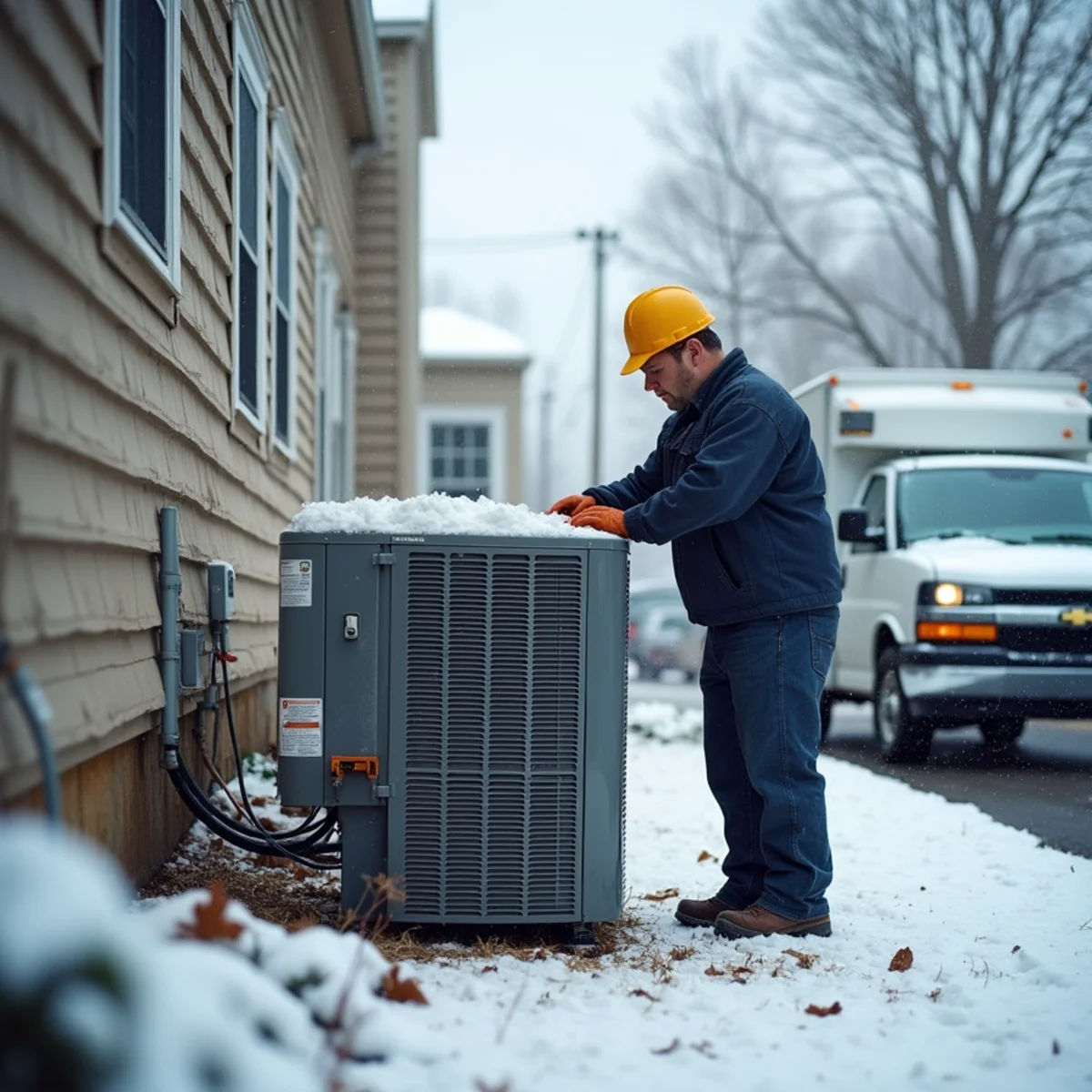
Pottstown sits in USDA Zone 7a, the band that describes our winter cold. It is a useful shorthand for gardeners, and it turns out to be a useful shorthand for heating too. Our winters are real but not extreme. January lows sit around 22°F, and true deep-cold snaps are short. That climate profile is close to the sweet spot for modern heat pumps.
A lot of older Pottstown homes still burn heating oil, often because that is what was installed decades ago and never changed. For many of those homes, a cold-climate heat pump is now a serious alternative that can lower operating costs and add air conditioning in one move. Here is why the local climate makes the case.
What Zone 7a Actually Means for Heating
Heat pumps move heat rather than burning fuel to make it. Their efficiency drops as the outdoor temperature falls, so the coldest hours of the year are the real test. In a place with brutal, sustained sub-zero winters, a heat pump needs heavy backup. In Zone 7a, the design challenge is much gentler.
Pottstown's winters bring cold nights but relatively few extended deep freezes. Modern cold-climate heat pumps are rated to deliver useful heat well below freezing, which means they can carry most of the season here and lean on backup only during the occasional harshest stretch. That is the difference between a marginal fit and a strong one.
Heat Pump vs. Oil: The Honest Comparison
Oil heat is familiar and it produces strong, hot air. But it comes with a fuel delivery relationship, price swings, tank maintenance, and a combustion system that needs annual service. A heat pump changes the math in several ways.
Weighing the two, homeowners usually care about these points:
- Operating cost: a modern heat pump often runs cheaper per season than oil, though the gap depends on electricity rates and how well the home is sealed.
- Cooling included: a heat pump provides air conditioning in summer, replacing or eliminating a separate AC system.
- No fuel deliveries or tank: nothing to schedule, monitor, or eventually remove.
- Comfort: heat-pump air is delivered at a lower, steadier temperature, which some homeowners love and others need to get used to.
- Backup for the coldest hours: a properly designed system pairs the heat pump with electric or existing backup heat for the rare deep freeze.
Sizing Matters More Than Brand
The single biggest factor in whether a heat pump succeeds in a Pottstown home is correct sizing, not the badge on the unit. An oversized heat pump short-cycles and struggles with humidity in summer. An undersized one leans too hard on backup heat in winter and runs up the electric bill.
The right specification starts with a Manual J load calculation for the actual house, factoring in the insulation, windows, and air sealing that vary widely across our older housing stock. A drafty 1900 twin and a tight newer colonial in West Pottsgrove need very different systems, even if they are the same square footage.
Read the capacity at cold temperatures, not just the label
A heat pump's headline rating is measured at a mild 47 degrees, but what matters in January is how much heat it still makes at 17 degrees or 5 degrees. Cold-climate units publish those low-ambient numbers, and a good design sizes to them. Two units with the same nominal tonnage can perform very differently on the coldest morning of the year.
Pick the balance point on purpose
The balance point is the outdoor temperature below which the heat pump can no longer carry the whole load and the backup kicks in. In Zone 7a we can usually set that point low enough that backup runs only a handful of hours each winter. Choosing it deliberately, rather than by accident, is what keeps the electric bill reasonable.
How We Design a Cold-Climate System
Getting a heat pump to carry a Pottstown winter is a design job, not a shopping trip. A variable-speed cold-climate unit, sized and commissioned correctly, is a different experience from a bargain single-stage unit that gives up at the first hard freeze. The steps below are where the comfort actually comes from:
None of this is exotic, but every step gets skipped somewhere, and that is where the disappointing installs come from.
- Step 1: Run the Manual J load and select equipment on its rated output at 5 and 17 degrees, not its mild-weather number.
- Step 2: Set the balance point and size the electric or existing backup to cover the rare hours below it.
- Step 3: Choose ducted or ductless based on the home; radiator homes and additions often suit ductless mini-splits.
- Step 4: Verify the electrical panel and circuit can carry the compressor and any auxiliary heat before install day.
- Step 5: Commission the unit with a weighed-in refrigerant charge and verified airflow, since a sloppy charge erases the efficiency you paid for.
- Step 6: Set the controls so the backup only engages below the balance point instead of every time the thermostat calls hard.
Good Candidates and Harder Cases
Not every home is an easy conversion, and it is worth being honest about that. The strongest candidates are homes with reasonable insulation, existing ductwork in decent shape, or a layout that suits ductless mini-splits.
Homes that need extra planning include:
- Very leaky older homes that should be air-sealed first to get the full benefit.
- Homes with radiator or boiler heat and no ductwork, where ductless or an air-to-water approach is the path.
- Properties with limited electrical service that may need a panel upgrade to support the new equipment.
- Floodplain homes near the river, where the outdoor unit needs to be elevated regardless of heating choice.
The Local Path Off Oil
For homes where a gas line is available, an oil-to-gas conversion remains a common and cost-effective route, and it is worth comparing against a heat pump rather than assuming one answer fits all. The best choice depends on the house, the fuel access, and the homeowner's priorities on comfort and cost.
What is clear is that Pottstown's Zone 7a climate no longer forces oil as the default. Across Montgomery County, cold-climate heat pumps are handling full winters in homes that used to run entirely on oil, and a proper heat pump installation done with correct sizing is a genuinely competitive option here.
Frequently Asked Questions
Yes. Pottstown's Zone 7a climate has cold nights but few sustained deep freezes, and modern cold-climate heat pumps deliver useful heat well below freezing. A properly designed system carries most of the season with backup only for the rare harshest stretch.
Often, yes, though it depends on electricity rates and how well your home is sealed. A heat pump also provides summer cooling and eliminates fuel deliveries and tank upkeep, which factor into the overall comparison.
Correct sizing. An oversized or undersized heat pump wastes energy and disappoints on comfort. The right specification comes from a load calculation for your specific home, not a rule of thumb.
A properly designed system sets a low balance point and pairs the heat pump with backup heat for the handful of hours below it. You keep steady heat all winter; the backup simply covers the rare deep freeze rather than doing the everyday work.
Pottstown's climate quietly makes it good heat-pump country, and a lot of oil-heated homes here are better candidates than their owners realize. If you are weighing a heat pump against oil or gas, HVAC Pottstown PA will run the numbers for your specific home and give you a straight comparison. Call +1 (327) 210-5999 to set up a load calculation and an honest recommendation.
Need HVAC service in Pottstown today?
Call HVAC Pottstown PA for fast, honest HVAC service in Pottstown. We answer 24/7 and offer same-day service across Montgomery County.
Keep Reading
Tri-County Service: How Pottstown's Montco/Chester/Berks Line Shapes HVAC Response
Pottstown sits at the meeting point of three counties, and that location shapes how fast a technician can reach you. Here is how the tri-county geography works in practice.
Read more
Manatawny Creek Flood Zones: Protecting Outdoor Units in Pottstown's West End
Manatawny Creek gave the West End its name and its character, and it also floods. Here is how to protect an outdoor condenser or heat pump in the low ground near the water.
Read more