
AC Failure During a Montgomery County Heat Wave: Your First 5 Steps
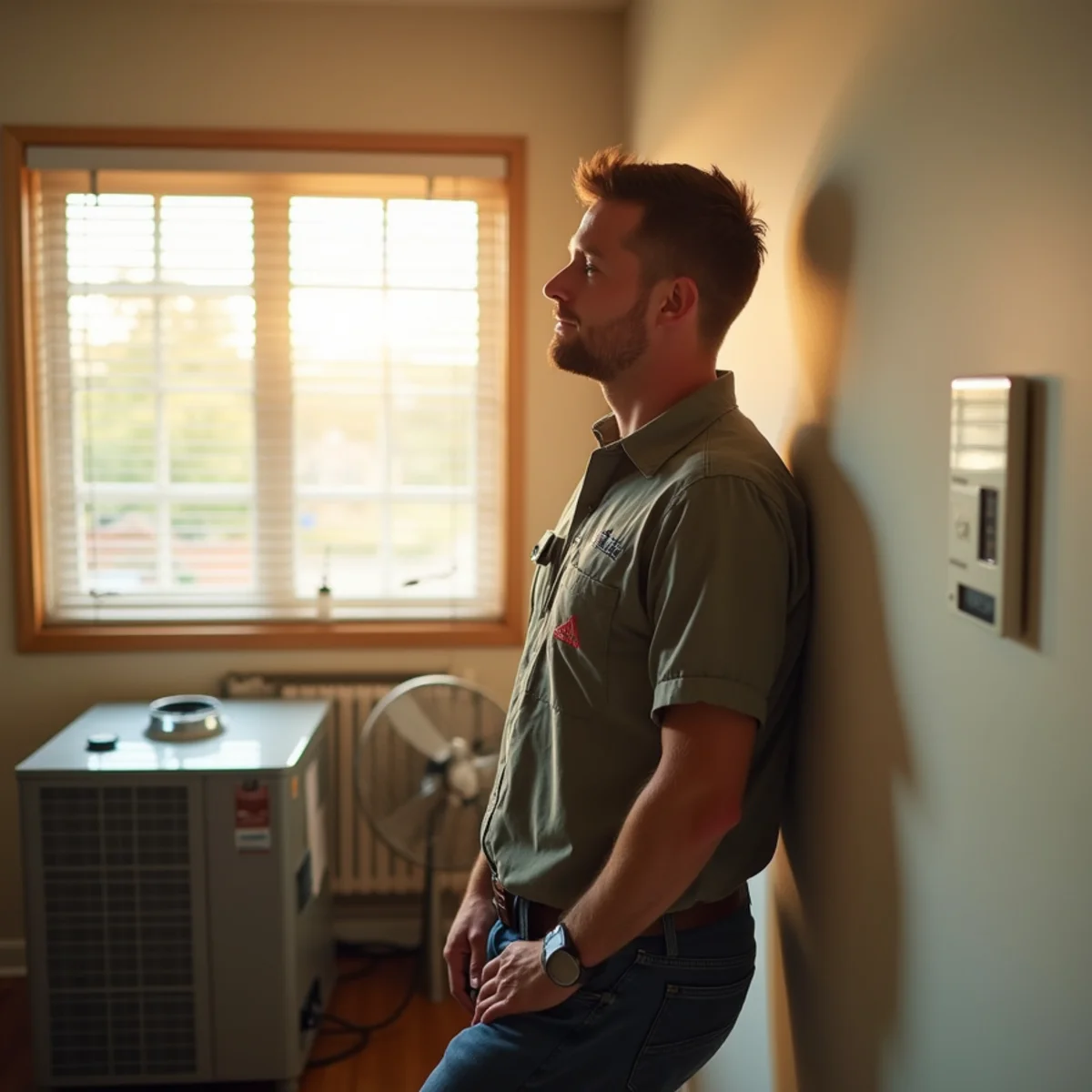
A heat wave has a way of finding the weakest link in your air conditioner. The unit runs hard for days, then one humid afternoon it stops keeping up, or stops entirely, and the house starts climbing past comfortable. In a Montgomery County July, with average highs near 85°F and thick humidity riding along, a dead AC is more than an annoyance.
Before you assume the worst, work through these five steps in order. The first few can bring the system back on their own, and the rest keep your household safe and comfortable while you get a technician out.
Step 1: Check the Thermostat and Power
Start with the least expensive causes. Confirm the thermostat is set to Cool and the target is several degrees below the current room temperature, then replace the batteries even if the display looks normal. A weak battery can quietly drop the call for cooling.
Next, look at the electrical panel. Central air often has two breakers, one for the indoor air handler and one for the outdoor condenser. If a breaker has tripped, reset it once. If it trips again right away, stop and leave it off, because a breaker that keeps tripping is warning you of a real fault rather than a nuisance.
Step 2: Look at the Air Filter and Vents
A clogged air filter is one of the most common reasons an AC struggles or shuts down in a heat wave. When airflow is choked, the indoor coil can ice over and the system loses its ability to cool. Pull the filter and, if it is gray and packed, replace it.
Then make sure supply and return vents are open and unblocked by furniture or rugs. The system needs a clear path to move air, and closing off too many rooms actually works against you by starving the return.
Step 3: Check for a Frozen Coil
If the system runs but blows warm, or you see ice on the copper lines or the indoor unit, the coil has likely frozen. This is your cue to turn the system off at the thermostat and let it thaw fully, which can take a few hours, before running it again. Forcing a frozen system to keep running can damage the compressor, the most expensive part in the whole unit.
Running the fan on its own can speed the thaw. Once everything is clear and dry, a fresh filter and clean coils give the system its best chance of restarting normally. If it freezes again quickly, that points to low refrigerant or an airflow problem that needs a technician.
Step 4: Keep the House and People Cool
While you wait, actively fight the heat. A house that stays cooler is easier to bring back down once the AC is running, and staying ahead of heat stress matters most for the vulnerable.
- Close blinds and curtains on the sunny side of the house to block solar gain.
- Run ceiling and box fans to keep air moving, and open windows overnight if the outdoor air cools off.
- Hydrate steadily and check on elderly neighbors, young children, and pets, who handle heat poorly.
- If indoor temperatures climb dangerously, relocate to a cooling center, a library, or a mall until repairs are done.
Step 5: Know When to Call for Repair
If the basics did not restore cooling, or the system trips its breaker, blows warm, freezes repeatedly, or makes a hard buzzing or grinding noise, it is time for a professional. A failed capacitor, a burned-out condenser fan motor, a seized compressor, or a refrigerant leak all need measured diagnosis and the correct part, not a reset button.
Refrigerant work in particular is not a homeowner job, both because it requires EPA-certified handling and because a system low on refrigerant almost always has a leak that must be found and fixed, not just topped off. During a heat wave, response time matters, so call early rather than waiting to see if it fixes itself.
What Really Fails on an AC During a Heat Wave
After enough summers you learn that heat waves do not create new problems so much as expose the ones already there. The single most common failure we see on the hottest days is a run capacitor, a small cylindrical part that gives the compressor and fan motor the jolt they need to start. Heat degrades capacitors, so a marginal one that limped through June finally gives out in a July stretch, and the outdoor fan or compressor goes silent while the thermostat keeps calling.
Close behind are condenser fan motors that seize after years of sun and weather, contactors whose points burn and stick, and low refrigerant from a slow leak that leaves the coil starved and prone to freezing. We test the capacitor with a meter, check the contactor and motor amp draw, and read the refrigerant pressures against the outdoor temperature before touching a part. That last point matters: on a 90-degree afternoon the correct pressures differ from a mild day, and topping off refrigerant without finding the leak just delays the same failure. A leak search and a proper repair beat a summer of gradual re-charges.
Frequently Asked Questions
Ironically, restricted airflow or low refrigerant causes the coil to get too cold and ice over, and heavy demand during a heat wave brings it out. Replace the filter, thaw the system fully, and if it refreezes, have a technician check airflow and refrigerant.
Yes. Reset it once. If it trips again immediately, leave it off and call. A repeatedly tripping breaker signals an electrical fault or a failing component, and forcing it can cause more damage or a hazard.
Once indoor temperatures push into the mid-80s and higher, heat stress becomes a real risk for infants, older adults, and anyone with health conditions. Do not wait it out. Relocate vulnerable household members somewhere cool and call for prompt service.
Age is not the only factor. A run capacitor, contactor, or fan motor can fail early after repeated heat-wave stress, and a small factory or installation flaw can cause a slow refrigerant leak. A measured diagnosis finds the specific cause rather than assuming the whole system is worn out.
An AC failure in the middle of a Montgomery County heat wave is genuinely stressful, but the first five steps handle a good share of them and keep everyone safe while you sort out the rest. When the basics come up short, do not sweat through a dangerous afternoon. Call HVAC Pottstown PA at +1 (327) 210-5999 for prompt, measured emergency AC repair, and we will get your home cool again.
Need HVAC service in Pottstown today?
Call HVAC Pottstown PA for fast, honest HVAC service in Pottstown. We answer 24/7 and offer same-day service across Montgomery County.
Keep Reading

Ice Storms & Power Outages: Keeping Pottstown Homes Warm When the Grid Drops
A practical guide to riding out an ice-storm power outage in Pottstown: safe ways to stay warm, protect your plumbing, and restart your heating system.
Read more
Carbon Monoxide Warning Signs Every Pottstown Household Should Know
A calm, informational guide to carbon monoxide for Pottstown families: where it comes from, the warning signs in people and equipment, and what to do.
Read more