
Ice Storms & Power Outages: Keeping Pottstown Homes Warm When the Grid Drops
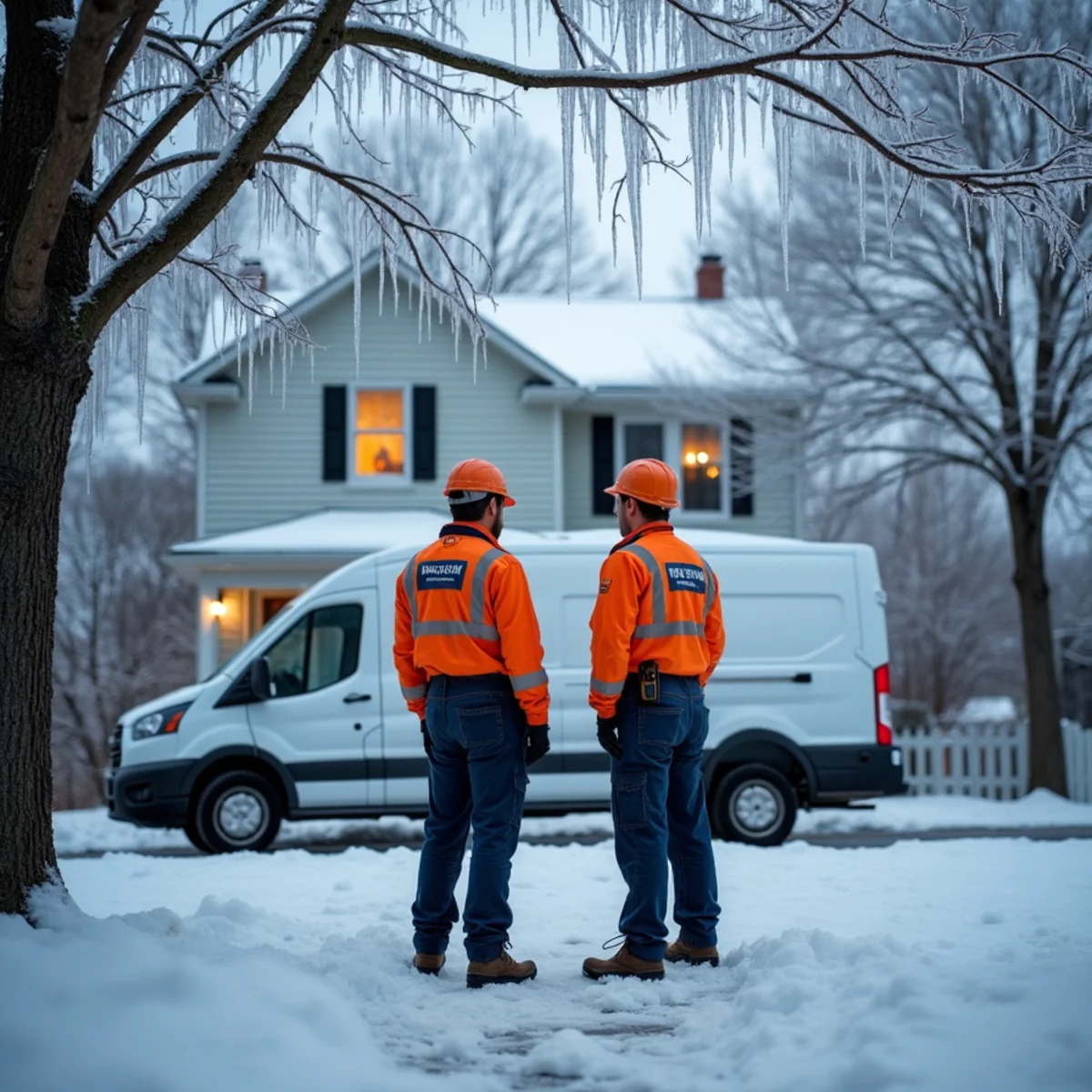
Ice storms are the winter event that catches Pottstown off guard. A quarter inch of freezing rain glazes the trees, limbs come down on the lines, and suddenly the whole neighborhood is dark and quiet, including your furnace. Even a gas or oil system needs electricity for its blower, controls, and igniter, so when the grid drops, the heat goes with it.
The stretch between the lights going out and the power coming back is when good decisions matter most. Done right, you stay warm and safe and your pipes make it through intact. Done wrong, people get hurt every winter reaching for the wrong heat source. Here is how to handle it.
Why an Outage Kills Your Heat
It surprises people that a gas furnace goes dead in a blackout, but nearly every modern heating system depends on electricity to run. The blower motor that pushes warm air, the control board that sequences ignition, the hot-surface igniter, and the thermostat all need power. Boilers rely on electric circulators and controls in the same way.
That means the first goal of an outage is not to restart the furnace, which you cannot do without power, but to hold onto the heat already in the house and to stay safe until the utility restores the grid. Older Pottstown homes with poor insulation lose that stored heat quickly, so acting early pays off.
Trap the Heat You Already Have
The moment the power drops, shift into conservation mode. Every degree you hold onto now is one you do not have to fight to recover later:
- Pick one room, ideally on the sunny side and away from the coldest exterior walls, and gather the household there.
- Close doors to unused rooms and hang blankets over drafty windows and doorways.
- Open curtains on south-facing windows during the day for solar gain, then close them at dusk to hold it.
- Dress in layers, use plenty of blankets, and share body heat; keep everyone fed and hydrated.
- Resist opening the refrigerator often; it doubles as insulated storage during the outage.
Heat Sources: Safe, Risky, and Never
This is where outages turn dangerous. The urge to improvise heat is strong, and some improvisations are deadly. Sort your options clearly before you are cold and tired:
- Safe: layered clothing and blankets, a UL-listed battery or properly installed fixed heat source, and a portable generator run outdoors, far from windows and doors.
- Risky, use only as designed: a wood stove or fireplace with a clean, open flue; a UL-listed indoor-rated propane heater with its oxygen sensor, used exactly per instructions in a ventilated space.
- Never: a gas oven or stovetop for heat, a charcoal or gas grill indoors or in the garage, or any generator run inside or in an attached garage. These are the leading causes of carbon monoxide poisoning during outages.
Protect the Plumbing
An ice storm outage and a heat outage are the same emergency once the house starts cooling, because your pipes are now on the clock. In a Pottstown cold snap, plumbing on exterior walls can begin to freeze within hours.
Open the cabinets under sinks on outside walls to let household warmth reach the pipes, and set faucets on vulnerable lines to a slow trickle. Know where your main water shutoff is so that, if a pipe does burst when things thaw, you can stop the flow fast. If a long outage is forecast and the house is dropping hard, draining the system is worth discussing with a professional.
Generators and Your Furnace: The Details That Matter
The question we field most after an ice storm is how to run the furnace on a generator, and the details separate a safe setup from a dangerous one. A gas or oil furnace draws surprisingly little power once running, often a few hundred watts, but the blower motor's startup surge is several times that, so the generator has to be sized for the surge, not just the running load. Undersize it and the furnace either will not start or browns out the control board over a long outage.
How you connect it matters even more than the size. Running an extension cord into the furnace, or worse, back-feeding a wall outlet, is how people damage equipment and endanger the utility crews working the lines. The safe path is a transfer switch or an inlet box installed ahead of time by a professional, which isolates your home from the grid and feeds the furnace circuit cleanly. If an outage catches you without that setup, the honest answer is to keep the generator outdoors powering space heaters and lights, and wait for the grid or a proper hookup rather than improvising a furnace connection in the dark.
When the Power Comes Back
Restoration is not always as simple as flipping the thermostat back to Heat. A furnace that sat through a deep chill, or a system that suffered a rough power surge when the grid snapped back, can behave oddly, tripping breakers, short-cycling, or failing to ignite.
If your heat does not return to normal within a few minutes of power coming back, or you hear or smell anything unusual, do not keep forcing resets. There may be surge damage to the control board or blower, or a safety that needs a professional eye. A quick diagnostic beats compounding the problem on an already hard week.
Frequently Asked Questions
Gas and oil furnaces still need electricity for the blower, control board, igniter, and thermostat. Without power, none of that operates, so the system stays off until the grid is restored or a properly connected generator supplies it.
Only if it is set up correctly. Run the generator outdoors, well away from windows and doors, never in a garage, and have the furnace connection done through a proper transfer setup by a professional. Improper hookups risk carbon monoxide and electrical hazards.
A furnace can misbehave after a deep chill or a power surge. If it trips breakers, short-cycles, or will not ignite within a few minutes of restoration, stop resetting it and call for a diagnostic in case the control board or blower was damaged.
It depends on the blower motor's startup surge more than its running watts. Many residential furnaces need a generator rated for several thousand surge watts to start cleanly. Have an electrician or HVAC professional confirm the sizing and install a proper transfer setup before winter.
An ice-storm outage is a test of preparation more than endurance: trap the heat you have, choose heat sources that will not hurt anyone, guard your pipes, and restart carefully once the grid is back. If your furnace does not recover cleanly after the power returns, or the cold outlasts your comfort, HVAC Pottstown PA is on call around the clock. Reach us at +1 (327) 210-5999 and we will get your home warm and safe again.
Need HVAC service in Pottstown today?
Call HVAC Pottstown PA for fast, honest HVAC service in Pottstown. We answer 24/7 and offer same-day service across Montgomery County.
Keep Reading
AC Failure During a Montgomery County Heat Wave: Your First 5 Steps
When the AC dies during a Montgomery County heat wave, these five ordered steps keep your household safe and cool while you sort out the repair.
Read more
Carbon Monoxide Warning Signs Every Pottstown Household Should Know
A calm, informational guide to carbon monoxide for Pottstown families: where it comes from, the warning signs in people and equipment, and what to do.
Read more