
Carbon Monoxide Warning Signs Every Pottstown Household Should Know
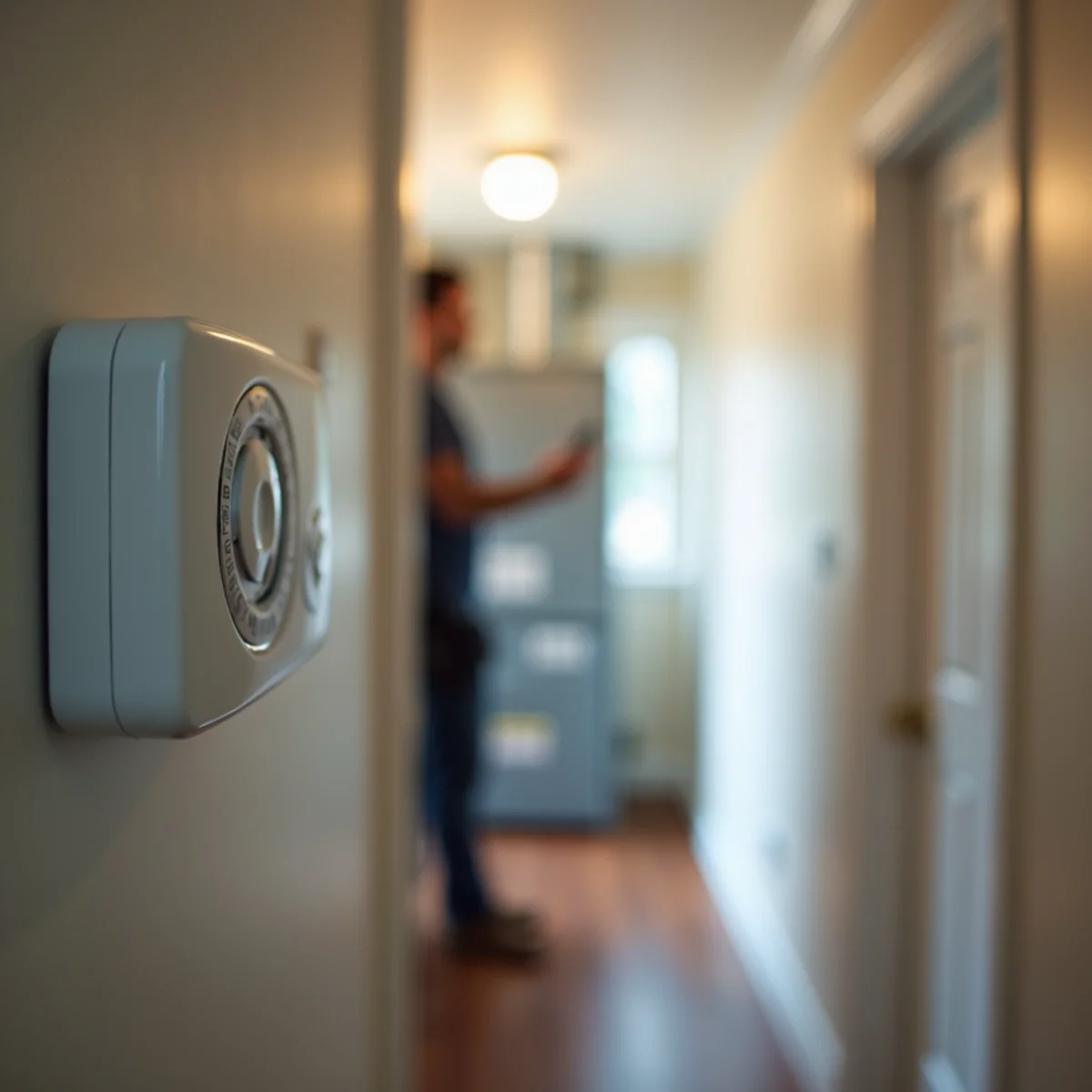
Carbon monoxide gets called the silent hazard for a fair reason: it has no color, no smell, and no taste, and its early symptoms are easy to mistake for a passing bug. That is exactly why a little knowledge goes a long way. This is an informational guide, not a scare piece, and the goal is simple, help your household recognize the signs early and know what to do.
Most Pottstown homes with any fuel-burning appliance, gas or oil furnace, boiler, water heater, range, or fireplace, have some potential CO source. Well-maintained equipment that vents properly is safe. Understanding how that safety can slip is what keeps a normal winter uneventful.
Where Carbon Monoxide Comes From
Carbon monoxide is a byproduct of burning fuel. Any appliance that burns natural gas, propane, oil, wood, or kerosene produces it, and in a healthy system that CO is carried safely outside through a flue or vent. Trouble starts when combustion is incomplete or venting is blocked, so the gas backs up into living space instead.
Common contributors in local homes include a cracked heat exchanger in an aging furnace, a blocked or disconnected flue, a bird nest or debris in a chimney, an idling car in an attached garage, and portable generators or grills used too close to the house. None of these means anyone did anything wrong, they are simply the failure points worth understanding.
Warning Signs in People
CO symptoms often look like the flu, but without a fever, and they frequently ease when you leave the house and return when you come back. That pattern is one of the clearest tells. Watch for:
- Headache, dizziness, or a dull, foggy feeling that lifts outdoors.
- Nausea, fatigue, or shortness of breath that several people in the home share at once.
- Symptoms that show up or worsen when the heating system is running.
- Pets acting lethargic or unwell alongside the people in the house.
Warning Signs in Your Equipment
Your appliances often give visual clues before anyone feels sick. On a gas burner, the flame should be crisp and blue; a persistently yellow or flickering flame can point to incomplete combustion. Other signs worth noticing include:
- Soot streaks or brown-yellow staining around a furnace, water heater, or vent.
- Excess moisture or condensation on windows near a fuel-burning appliance.
- A stale, stuffy, or oddly heavy air quality in the house that airing out seems to fix.
- A pilot light that keeps going out, or a rusted or disconnected vent pipe.
If Your CO Alarm Sounds
Treat a carbon monoxide alarm as the real thing every time. Do not spend minutes hunting for the source or trying to air the place out first.
- Get everyone, including pets, outside to fresh air immediately.
- Call 911 or your local emergency number from outside the home.
- Do not go back in until emergency responders tell you it is safe.
- Once the immediate danger is cleared, arrange a professional inspection of your heating and venting before running the equipment again.
What a Combustion Safety Inspection Actually Involves
A carbon monoxide inspection is more than a technician glancing at your furnace. The core of it is a combustion analysis: we put a calibrated analyzer in the flue and measure the actual CO in the exhaust, along with oxygen and combustion efficiency, so we are working from numbers rather than impressions. Those readings reveal an appliance drifting toward trouble long before anyone in the house feels a symptom.
The visual and mechanical checks matter just as much. We inspect the heat exchanger for cracks, sometimes with a camera, because a hairline split is the classic path for CO to enter the airstream. We confirm the flue is pitched and connected correctly, check for backdrafting at the draft hood, look for soot or corrosion, and verify the venting is clear all the way outside. On the tighter, newer colonials in West Pottsgrove and Limerick, we also watch for depressurization, where a powerful kitchen or bath exhaust fan pulls combustion gases back down the flue. None of this is dramatic, and that is the point: measured, repeatable checks are what keep an invisible hazard from ever becoming an emergency.
Prevention You Can Count On
The two habits that prevent nearly every CO incident are working detectors and regular professional maintenance. Install UL-listed carbon monoxide alarms on every level of the home and near sleeping areas, test them monthly, and replace the units on the schedule printed on the back, since the sensors themselves wear out.
An annual heating inspection is the other half. A technician checks the heat exchanger for cracks, confirms the flue and venting draft properly, and measures combustion so problems are caught before they ever reach your living space. It is the least dramatic and most effective safety step you can take.
Frequently Asked Questions
Install a UL-listed CO alarm on every level of the home and near each sleeping area. Test them monthly and replace the whole unit on the schedule the manufacturer prints on the device, since sensors expire.
They detect different hazards. A smoke alarm senses combustion particles from fire, while a carbon monoxide alarm senses the odorless CO gas. Homes with fuel-burning appliances need both; combination units exist but must be listed for both jobs.
Yes. A proper inspection includes checking the heat exchanger for cracks, confirming the venting drafts correctly, and measuring combustion. These checks catch the conditions that lead to CO exposure before the gas ever reaches your rooms.
Once a year, ideally before the heating season, for any home with a gas or oil furnace, boiler, or water heater. Annual combustion testing catches a drifting appliance or an early heat-exchanger crack while it is still a maintenance item rather than an emergency.
Yes. Any fuel-burning appliance can produce CO if its venting fails or combustion goes bad, including gas water heaters, boilers, ranges, and fireplaces. That is why a proper safety inspection checks every combustion appliance and its venting, not the furnace alone.
Carbon monoxide is a manageable risk when you know the signs and keep two safeguards in place: working alarms and a well-maintained, properly vented heating system. If your detectors are aging, or it has been more than a year since your furnace was inspected, schedule a professional CO and combustion safety check. Call HVAC Pottstown PA at +1 (327) 210-5999 to put your household on solid footing for the season.
Need HVAC service in Pottstown today?
Call HVAC Pottstown PA for fast, honest HVAC service in Pottstown. We answer 24/7 and offer same-day service across Montgomery County.
Keep Reading
Ice Storms & Power Outages: Keeping Pottstown Homes Warm When the Grid Drops
A practical guide to riding out an ice-storm power outage in Pottstown: safe ways to stay warm, protect your plumbing, and restart your heating system.
Read more
AC Failure During a Montgomery County Heat Wave: Your First 5 Steps
When the AC dies during a Montgomery County heat wave, these five ordered steps keep your household safe and cool while you sort out the repair.
Read more