
Boiler Replacement Cost in Pottstown: Repair vs. Replace Math
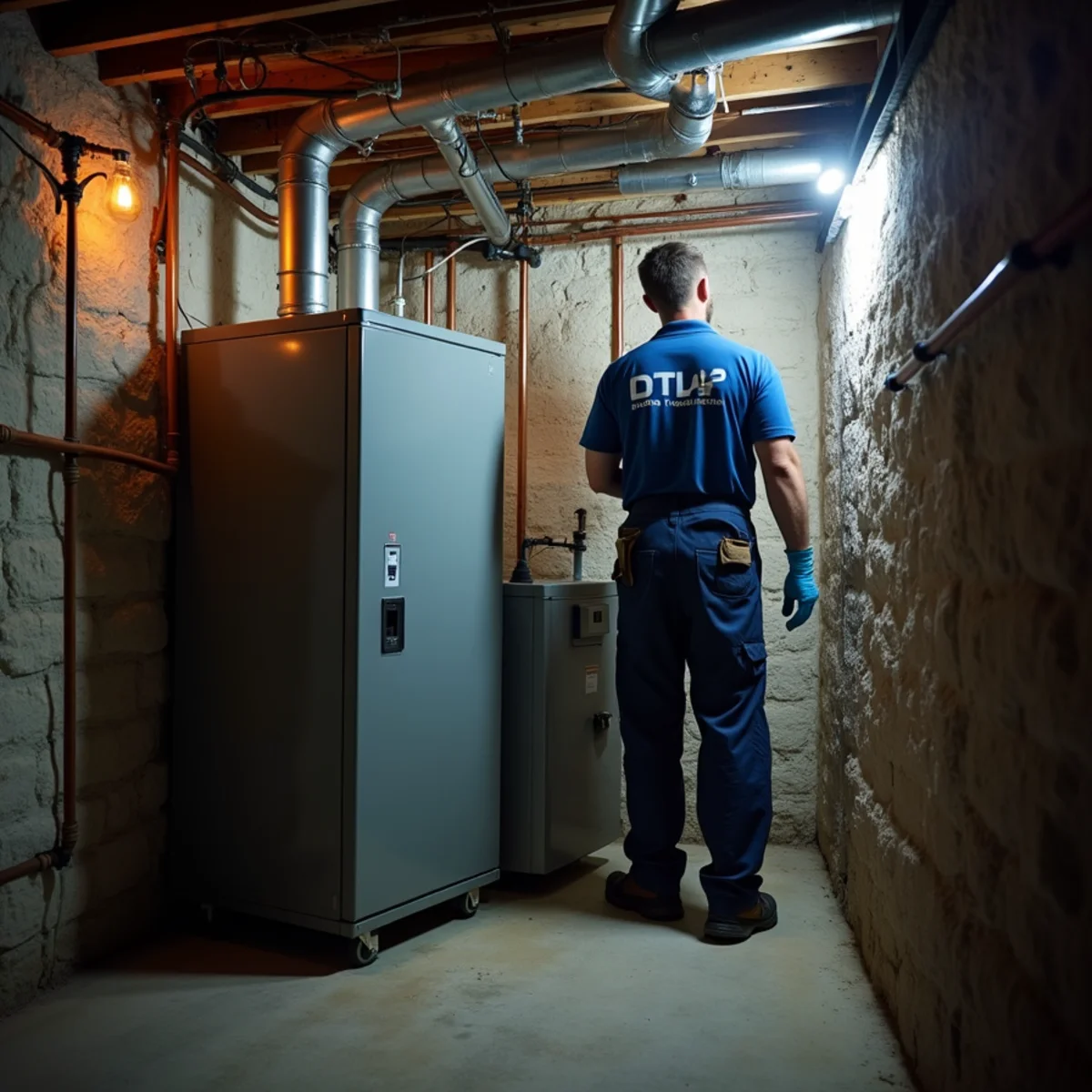
Plenty of Pottstown homes still run on hot-water boilers and cast-iron radiators, especially the older brick twins and rowhomes near High Street. These systems are durable and comfortable, but when a boiler starts failing, the repair-versus-replace decision carries real money on both sides.
This guide walks through the math the way we would at your kitchen table: typical replacement ranges, what a boiler repair usually costs, and the honest signals that tip the scale. The numbers here are general 2025 ranges for planning. A firm quote follows an on-site inspection of your system.
Typical Boiler Replacement Ranges
For a boiler replacement in the Pottstown area, general installed pricing commonly runs $6,000 to $14,000. The spread depends heavily on the type of boiler, its size, and how much the existing piping and venting need to change.
A straightforward swap of a conventional gas boiler sits lower in the range. A high-efficiency condensing boiler, which requires different venting and a condensate drain, sits higher but cuts fuel use over time. In an old home, the connections to existing radiators and piping often drive the labor.
- Conventional gas boiler swap: lower end of the range.
- High-efficiency condensing boiler: higher up front, lower fuel bills.
- Piping, venting, or near-boiler changes: added labor in older homes.
- Oversized or multi-zone systems: higher tonnage and controls cost.
What Boiler Repairs Usually Cost
Not every boiler problem means replacement. A failed circulator pump, a bad expansion tank, a stuck zone valve, or a faulty aquastat are all repairable at a fraction of a new system. Many repairs fall in the several-hundred to low-thousands range depending on the part.
The diagnostic comes first, generally around $75 to $200, so we can confirm the actual fault before quoting. A leaking relief valve is a cheap fix. A cracked heat exchanger or a rotted-out cast-iron section is a different conversation entirely.
The Repair vs. Replace Math
Here is the framework we use. Weigh the repair cost against the boiler's age, its efficiency, and how many things are starting to go. One isolated repair on a 12-year-old boiler is usually worth it. A second or third failure on a 25-year-old unit rarely is.
Run it through these questions honestly:
- Age: past 20 to 25 years, most boilers are near the end regardless of the current fault.
- Repair size: if the fix approaches a third of replacement cost, replacement gets serious.
- Efficiency: an old, low-efficiency boiler costs more to run every single month.
- Frequency: repeated breakdowns signal a system that will keep nickel-and-diming you.
- Safety: any combustion or heat-exchanger concern shifts the decision toward replacement.
The Older-Home Factor in Pottstown
Radiator homes in the historic districts come with their own considerations. The existing piping, the radiator layout, and sometimes a shared chimney all affect what a replacement involves. A boiler swap here is rarely a plug-and-play job, and pretending otherwise leads to bad quotes.
We take that seriously in the older housing stock around the High Street Historic District homes, where preserving a comfortable radiator system while upgrading the boiler takes a careful hand. The right approach protects both your comfort and the character of the home.
Conventional vs. Condensing: The Choice That Sets Your Price
When a boiler does need replacing, the single decision that shapes both the up-front cost and your monthly bills is conventional versus high-efficiency condensing. They are different machines that happen to do the same job, and the right pick depends on your home, not on a brochure.
A conventional cast-iron or steel boiler is proven, forgiving, and cheaper to install. It vents through an existing chimney and tolerates the higher return-water temperatures that old cast-iron radiators run. A condensing boiler wrings more heat out of the same fuel, but it only reaches its rated efficiency when return water is cool enough to condense, which not every radiator system delivers. Here is how the two compare in a real Pottstown basement:
- Up-front cost: conventional sits lower; condensing runs higher because of sealed venting and the condensate drain it needs.
- Venting: conventional often reuses the chimney; condensing vents in PVC through a sidewall and drains acidic condensate to a neutralizer.
- Efficiency payoff: condensing shines with lower-temperature systems; on high-temp cast-iron radiators the real-world gain can shrink.
- Longevity and service: conventional boilers are simple and long-lived; condensing units have more components and want annual maintenance.
What actually drives the labor in an old home
Two identical boilers can cost very different amounts to install depending on what surrounds them. Near-boiler piping that has to be rebuilt, a chimney that needs relining for a new vent, zone valves and circulators that are due for replacement, and tight basement access all add hours. In many High Street twins the piping is a patchwork added over decades, and doing it right means correcting that, not just bolting a new box to old copper.
This is why a phone estimate on a boiler is meaningless. The equipment is only part of the number. The condition of everything it connects to is the other half, and only an inspection reveals it.
Getting an Honest Recommendation
A good technician tells you when to repair even when replacement would earn them more. That is the standard we hold ourselves to. We inspect the boiler, test the components, and lay out the real math so you decide with clear eyes.
If a repair is the smart call, we make it. If the numbers say replace, we explain why and quote it line by line. You can learn more about our boiler repair and service and how we approach older systems. When a full replacement is the right path, our furnace and heating installation team handles the swap and the permit start to finish.
Frequently Asked Questions
General installed pricing commonly runs $6,000 to $14,000, depending on boiler type, size, and how much piping or venting must change. An accurate quote requires an on-site inspection of your system.
When the boiler is past roughly 20 years, the repair approaches a third of replacement cost, or breakdowns are becoming frequent. Any heat-exchanger or combustion safety concern also pushes toward replacement.
They can be, because existing piping, radiator connections, and venting affect the labor. In historic Pottstown homes especially, a proper quote accounts for those details rather than assuming a simple swap.
It depends on your radiators. Condensing boilers pay off best on systems that run cooler return water. On high-temperature cast-iron radiators the real-world savings can be smaller, so we evaluate your setup before recommending one.
In most cases yes. Cast-iron radiators are durable and are usually kept, with the new boiler matched to them. We check the piping and radiator condition so the new system pairs correctly with what you already have.
The repair-versus-replace question comes down to honest math on age, cost, and reliability, not a sales pitch. HVAC Pottstown PA inspects your boiler, runs the numbers with you, and recommends the path that actually serves your home. Call +1 (327) 210-5999 to schedule an inspection and get a clear line-item quote for repair or replacement.
Need HVAC service in Pottstown today?
Call HVAC Pottstown PA for fast, honest HVAC service in Pottstown. We answer 24/7 and offer same-day service across Montgomery County.
Keep Reading
Oil-to-Gas Conversion Cost in Pottstown: When It Pays Off
What an oil-to-gas conversion typically costs in Pottstown, everything the project actually includes, and how to run the payback math before you commit.
Read more
Does Homeowners Insurance Cover HVAC Failure in PA?
A plain-English look at when Pennsylvania homeowners insurance covers HVAC damage, when it does not, and how to document a claim the right way.
Read more