
Banging, Kettling, Gurgling: Pottstown Boiler Noises Decoded
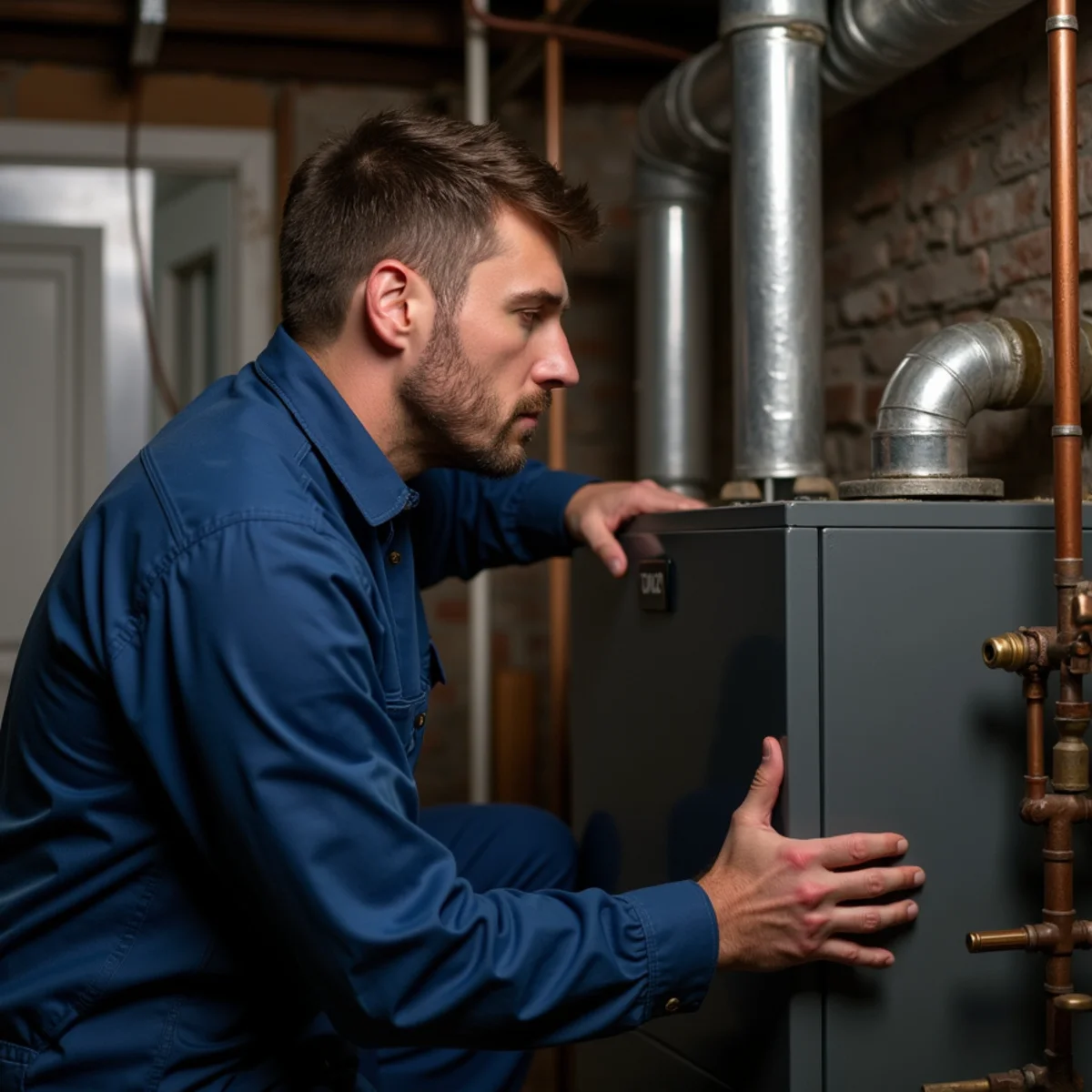
Boilers are supposed to be quiet. A low hum, the soft tick of pipes warming, maybe a gentle whoosh at startup. So when yours starts banging like someone is knocking pipes with a hammer, whistling like a kettle, or gurgling like a drain, it is worth paying attention. Each sound points to a different cause, and a few of them get expensive if you let them run.
Pottstown has a lot of radiator and hot-water boiler heat, especially in the older brick homes near the center of town. Those systems are durable, but sediment, trapped air, and circulation problems build up over decades. Here is how to read the noises your boiler makes and know which ones can wait until morning versus which ones mean call now.
Kettling: The Whistle or Rumble
Kettling is that rumbling, whistling, kettle-on-the-stove sound, and it is one of the most common complaints we hear from older homes. It happens when mineral scale and sediment build up on the heat exchanger. The restricted water flow lets pockets overheat and flash to steam, then collapse, and that violent boiling is the noise you hear.
Kettling is not usually an immediate emergency, but it is a warning that the heat exchanger is being overworked. Left alone, it drives up gas bills, stresses the exchanger, and shortens the boiler's life. A technician can flush the system, treat the water, or descale the exchanger depending on severity. In our hard-water pockets around Pottstown, scale is the usual driver.
Banging and Knocking
A sharp bang, especially at startup or shutdown, has a few possible sources. In steam systems it often means water is trapped where steam wants to travel, and the collision produces a loud water hammer that can rattle the whole house. The fix usually involves pitch of the pipes, failed steam traps, or a flooded return, and it is worth addressing because water hammer can physically damage piping over time.
In hot-water systems, banging can come from trapped air, thermal expansion against a stuck pipe, or a circulation problem. A single knock as pipes heat and cool is normal expansion. Repeated, forceful banging is not. If the banging is loud enough to be heard through the floor and happens every cycle, have it looked at before a joint or fitting gives.
Gurgling and Bubbling
Gurgling almost always means air is trapped in the system, or the water level is low. Air pockets keep hot water from circulating properly, which is why gurgling often comes with cold radiators upstairs while the boiler runs fine. On many systems, radiators have bleed valves designed for exactly this, but low pressure and repeated air problems point to a deeper issue such as a failing expansion tank or a small leak drawing air in.
If your boiler gurgles and you are also topping off the pressure often, that combination is a red flag for a leak somewhere in the loop. Chasing the leak and correcting the pressure is a technician job, because guessing at it usually means bleeding radiators over and over without fixing the cause.
- Gurgling plus cold upper radiators: trapped air, often needs bleeding and a pressure check.
- Gurgling plus frequent pressure top-offs: possible leak or failing expansion tank.
- Gurgling plus dropping water level: stop and have it inspected before running it dry.
Which Noises Are Urgent
Most boiler noises are wear signals rather than emergencies, but a few deserve an immediate stop. If you smell gas or a sharp chemical odor, hear a hissing that sounds like escaping gas, or a carbon monoxide alarm sounds, leave the house and call for help from outside. Do not troubleshoot a boiler you suspect is leaking gas or combustion products.
Short of that, loud repeated water hammer, rapid pressure loss, or any visible leak around the boiler should move to the front of the line. Those can escalate into water damage or a burst fitting. A boiler that gurgles softly with one cold radiator can usually wait a day or two, but do not sit on the forceful, repeating noises.
How We Track Down a Boiler Noise
A noise is a clue, not a diagnosis, so here is how a technician turns the sound into a cause. The first stop is the pressure gauge on the boiler. A cold system should sit around 12 to 15 psi and climb only modestly when hot. Pressure that swings wildly, sits too low, or keeps needing a top-off tells us where to look before we touch a wrench, and it separates an air problem from a leak or a failing expansion tank.
From there the checks branch by symptom. For kettling, we look at flow and scale, because the rumble is water flashing to steam against a fouled heat exchanger. For banging in a steam system, we put a level on the pipes to check pitch and inspect the steam traps, since trapped condensate is what produces water hammer. For gurgling, we bleed the loop and watch whether the air comes back, which reveals a hidden leak drawing air in. Every diagnosis ends with a combustion analysis so we know the burner is firing cleanly and the flue is clear.
The homeowner-safe line is short but real. You can read the pressure gauge, bleed a radiator with the key if you know how, and note when the noise happens. Descaling a heat exchanger, adjusting pipe pitch, replacing an expansion tank, or opening anything on the gas or combustion side belongs to a technician. And if a noise ever arrives with a gas smell or a sounding carbon monoxide alarm, that is not a diagnosis to attempt at all: leave and call from outside.
The Local Angle: High Street's Older Systems
The brick twins and Victorians around the High Street Historic District often run boilers that have been in service for decades, sometimes converted from coal to oil to gas over their lifetime. That history leaves sediment, mismatched piping, and original returns that are prone to air and water-hammer problems. It also means parts and controls span several eras, so a proper diagnosis matters more than a quick guess.
We service a lot of these homes, and the pattern is consistent: annual maintenance, water treatment, and correcting pipe pitch prevent most of the noises that homeowners call about in a panic. A boiler that is flushed and balanced runs quietly for years. If yours has gotten loud, that is usually a sign it has missed a few years of service, not that it needs replacing.
Frequently Asked Questions
Occasional expansion ticks are normal, but loud, repeated banging or water hammer can damage piping and should be diagnosed. If banging comes with a gas smell or a carbon monoxide alarm, leave the house and call for help immediately.
No safe home fix addresses the scale causing kettling. A technician needs to flush the system, treat the water, or descale the heat exchanger. Ignoring it raises gas bills and shortens the boiler's life.
That combination usually means trapped air keeping water from circulating. It often needs bleeding plus a pressure check. If you are also refilling pressure often, there may be a leak worth having inspected.
Soft kettling or a single expansion tick can usually wait for a scheduled visit. Loud, repeated water hammer, rapid pressure loss, or any visible leak should not wait, because they can crack a fitting or cause water damage. A gas smell or a carbon monoxide alarm means leave and call immediately.
Annual maintenance with water treatment and a system flush is the single best prevention. It removes the scale that causes kettling, corrects pressure and air problems, and catches pitch or trap issues before they turn into banging. Older Pottstown radiator systems especially benefit from a yearly service.
Your boiler's noises are a diagnostic language: kettling means scale, banging means water or air in the wrong place, gurgling means trapped air or a leak. None of them improve on their own. If yours has gotten loud, especially in one of Pottstown's older radiator homes, a proper inspection is cheaper than a burst fitting. HVAC Pottstown PA offers honest, line-item boiler repair and service. Call +1 (327) 210-5999 and we will find the cause before it finds your wallet.
Need HVAC service in Pottstown today?
Call HVAC Pottstown PA for fast, honest HVAC service in Pottstown. We answer 24/7 and offer same-day service across Montgomery County.
Keep Reading
AC Running But Not Cooling? Pottstown Humidity May Be Why
When the AC runs all day but the house stays warm and sticky, humidity is often the hidden culprit. Here is how Pottstown's muggy summers factor in and what to check.
Read more
Sizing HVAC for Pottstown's Older Homes: Why Rules Fail
A bigger furnace is not a better furnace. Here is why square-footage rules of thumb fail in Pottstown's older homes and how Manual J, S, and D right-size a system in plain English.
Read more